Call Today
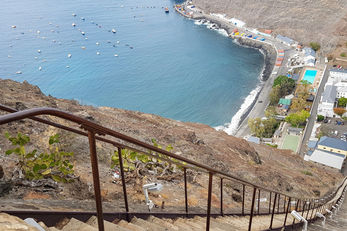
You've probably never heard of Saint Helena, but that may change. Perched in the center of the southern Atlantic Ocean, this small island is known as one of the most remote places on earth. The British thought so when they exiled the defeated Napoleon to Saint Helena in 1815. And until recently, the only way to reach the island was by a week-long sea voyage aboard a Royal Mail Ship.
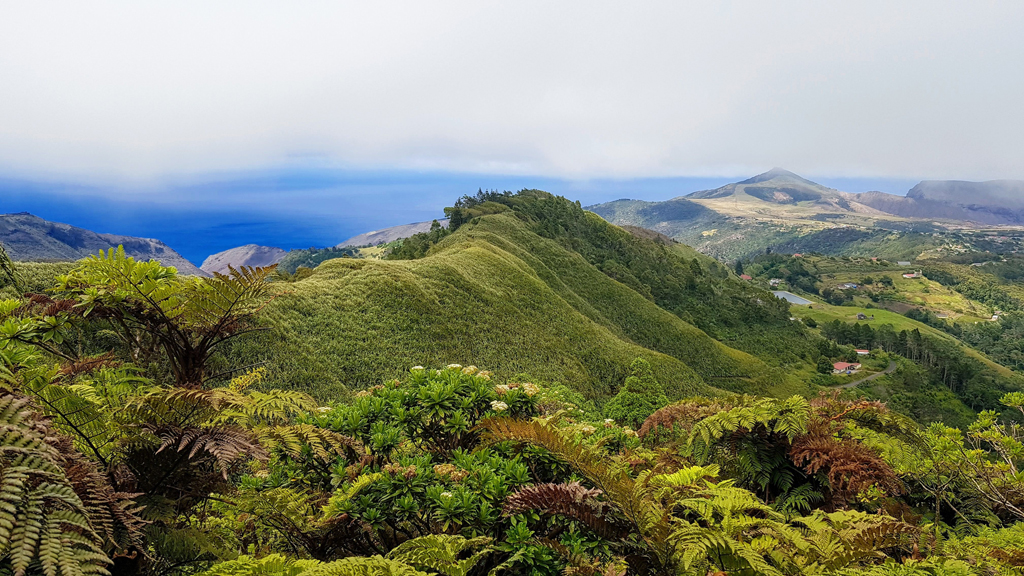
So, what does this have to do with diving? Plenty if you like whale sharks, and want to see the world's only known seasonal aggregation of adult males and females. Of the various places around the world that provide high-percentage opportunities to swim and dive with whale sharks, Saint Helena is unique. It offers the rare combination of a large number of mature adults gathered in one place in clear water, with easy access from shore.
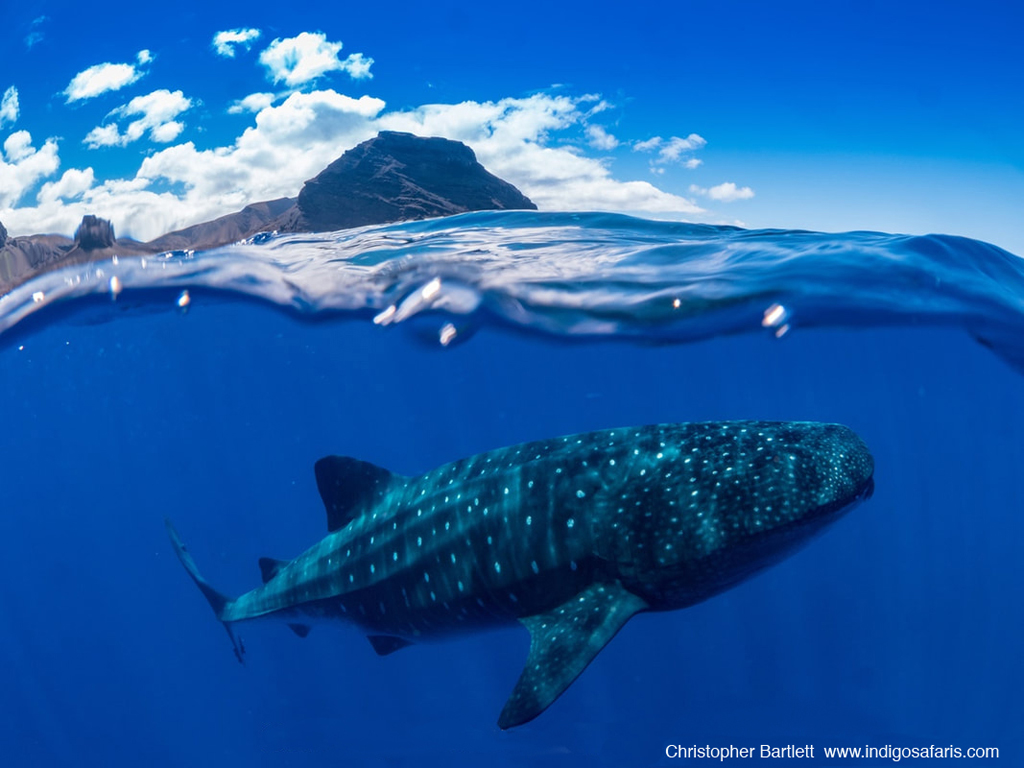
Word of Saint Helena's whale sharks started to get out several years ago, but the difficulties of reaching the island kept all but the most adventurous away. Things changed with the completion of a new airport and the launch of regular flights via South Africa. There are now several local dive operators that support whale shark encounters, and one of Caradonna's affiliated partners, Christopher Bartlett, is now leading escorted excursions that target the sharks' seasonal aggregation.
Bartlett has been involved in whale shark conservation for more than a decade. He has led trips to the Galapagos, the Maldives, and worked with Dr. Simon Pierce, who is regarded as the world's leading whale shark researcher. Bartlett's escorted excursions to Saint Helena originate in Johannesburg, South Africa, and include seven nights on Saint Helena with 10 dives over 5 days, plus 2 dedicated whale shark snorkeling trips. The Caradonna package also includes most meals, land tours and shared vehicle rental for touring the island. The dedicated whale shark snorkeling sessions follow island regulations which limit the number of people in the water, and prohibit deliberate SCUBA diving with the sharks. But this doesn't necessarily mean you won't see the whale sharks while on scuba, because regulations also don't require divers to break contact if the sharks appear and approach during the dive.
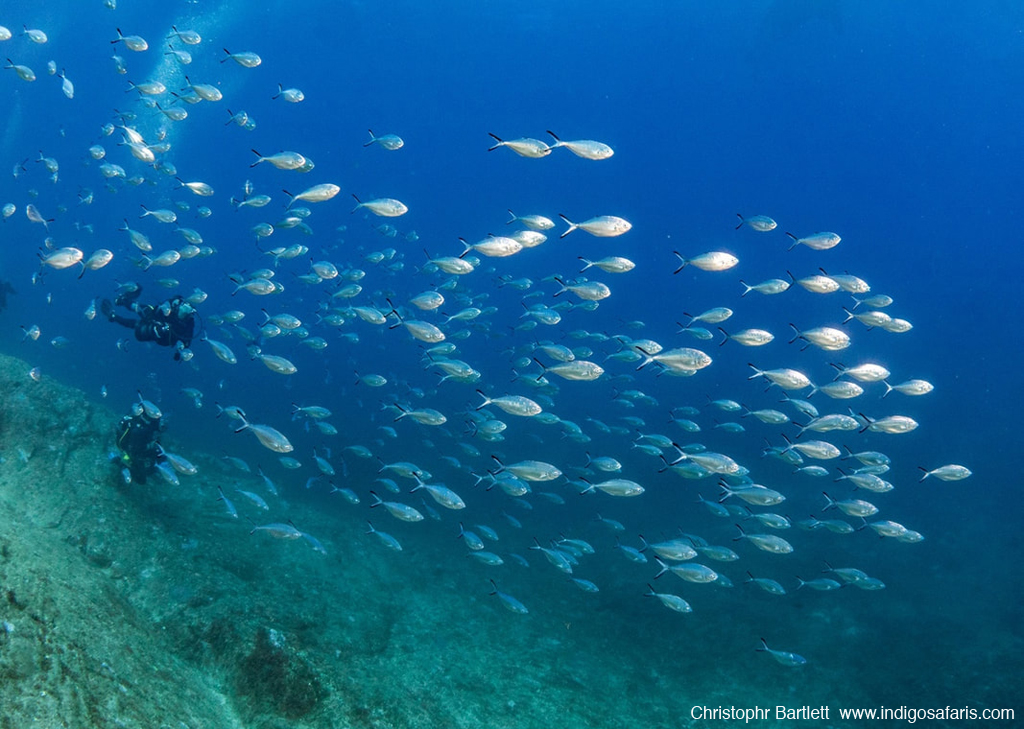
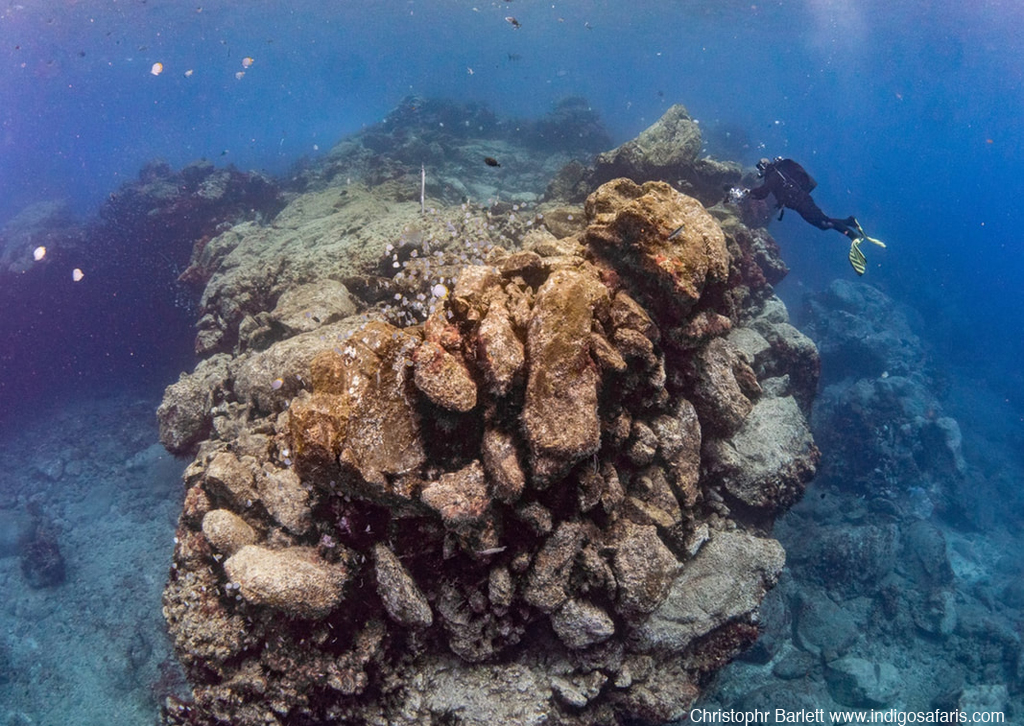
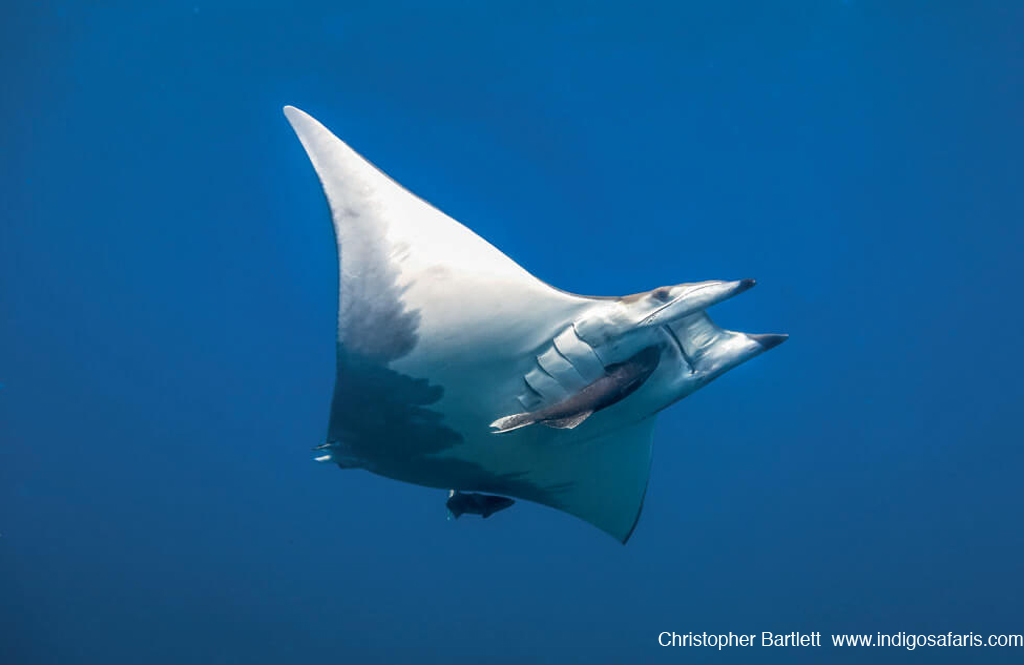
Which leads to the next question: are there more than whale sharks to lure divers to this mid-ocean outpost? The answer is yes. Saint Helena is the tip of a volcanic peak that rises more than two miles from the ocean floor, creating an oasis of life in the center of the Southern Atlantic. With temperate waters that can dip into the 60s in winter, it lies near the southern range of coral growth, so there are no pronounced reefs. There are, however, plenty of coral-encrusted ledges and boulders, with networks of caverns and outcroppings to shelter marine life. The underwater ecosystem thrives in the absence of fishing pressure. Divers will encounter a number of endemic local species, plus an expected cast of shallow-water dwellers such as eels, invertebrates and schooling fish. The proximity of blue water also guarantees a steady stream of passing pelagic such as jacks, rays, trevallies, tuna and wahoo. The surrounding waters have claimed their share of ships, and divers can explore a number of modern and historic wrecks.
Caradonna's escorted whale shark excursions take place in February, which is the height of the aggregation season. The 2020 trip is almost full, but there's plenty of time to start planning for 2021. And because travel to Saint Helena involves a stopover in Johannesburg, it is an ideal opportunity to add land tours to that country's coast or wine region, or perhaps visit a safari park. Caradonna can handle all the details of arranging and booking these trips, and recommend a wide range of itineraries based on an individual preferences and schedule. To learn more, give us a call at 800-330-6611 or send a note to sales@caradonna.com.