Call Today
12 Top Sites Around The World For Unforgettable Night Diving Adventures
Night dives often don't receive the respect they deserve. Some divers think of them as a relaxing nightcap on the day's activities – an easy swim around the resort's house reef or a visit to a shallow coral garden just a short boat ride away. Nothing wrong with that. But diving in darkness can be so much more. To showcase the possibilities that await, here are a dozen amazing underwater experiences that begin when the sun goes down.
House Reefs, Bonaire
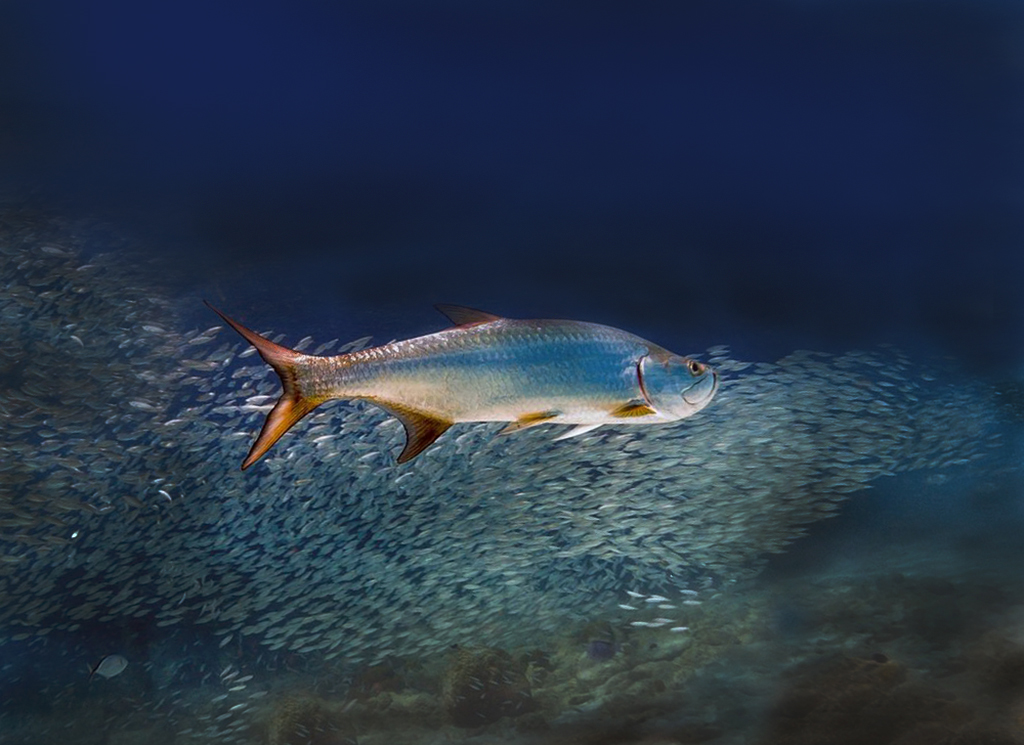
Diving after dark doesn't get much easier than this. At Bonaire's oceanfront resorts, such as Buddy Dive and Captain Don's Habitat, divers can grab a tank and gear up at the dock before making easy entries into the calm, shallow waters. Dives can begin or end with a swim under pier pilings where minnows lurk in the shadows of topside lights, seeking shelter from the roving tarpon that patrol the shoreline. These sleek, silver-sided hunters will often accompany divers on their explorations of the reef line, as dive lights may illuminate potential prey. The coral formations along the slopes shared by Buddy and Habitat are considered some of the island's liveliest. Corals extend polyps to feed, octopus and squid are on the hunt, and all manner of invertebrates and crustaceans come out of hiding to forage.
Maya Thilla & Fesdoo Lagoon, Maldives
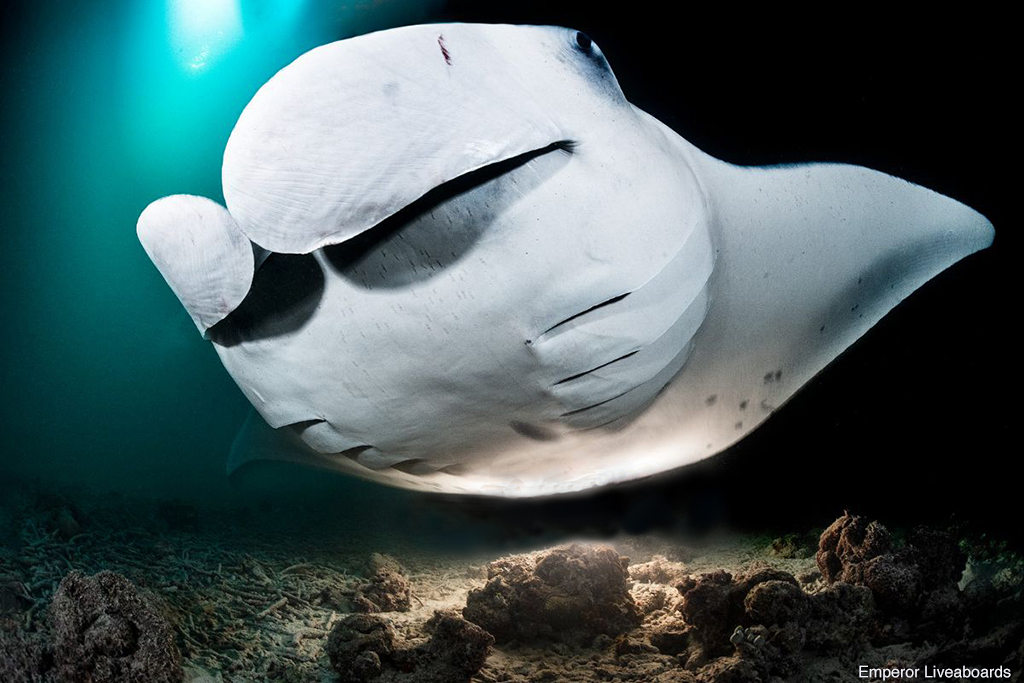
With more than 2,000 coral reefs spread among 26 tropical atolls, the Maldives offers a lifetime of discovery and a wealth of after-dark diving adventures. Pinnacles known as thilas are oases of life that harbor reef dwellers and macro life within intricate coral grottoes, while the outer flanks attract sharks and pelagic fish. Maya Thilla on North Ari Atoll is considered one of the Maldives' best night dives, known for the large bands of roving white-tip sharks that hunt at night. Dive lights may also reveal sleeping turtles, active stingrays, foraging lobsters, free-swimming moray eels, and a collection of nudibranchs and other invertebrates that emerge after dark. Another exceptional night diving experience takes place a few miles away at Fesdoo Lagoon. This site is famous for nocturnal gatherings of manta rays that come to feed in the plankton-rich waters. A dive light's glow will often entice these filter feeders to approach divers. Both sites are visited by dive yachts from the Blue Force, Scubaspa, Maldives Master And Emperor liveaboard fleets.
Kittiwake, Cayman Islands
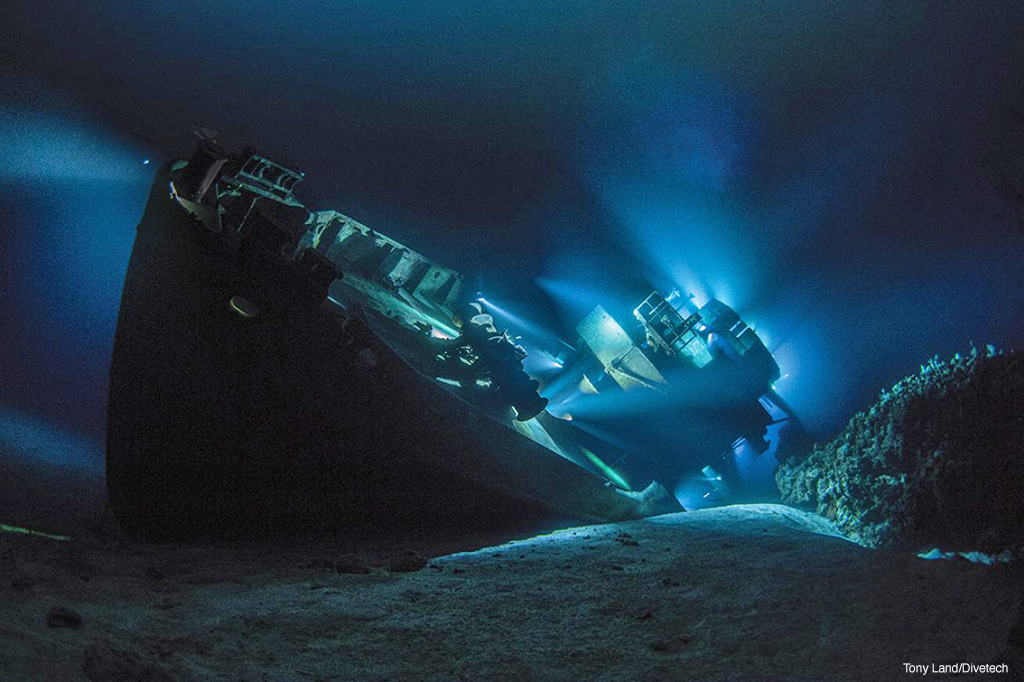
Resorts across all three of the Cayman Islands offer nocturnal boat dives on shallow and mid-depth reefs. Guests staying at Grand Cayman's Sunset House also have immediate access to the island's favorite shore diving site, which comes alive with a new cast of characters after dark. As a special treat, dive operators such as Divetech and Red Sail Sports also provide scheduled night diving excursions to the USS Kittiwake. This 251-foot-long former naval vessel provides ideal conditions for a nocturnal wreck dive. The ship sits in clear water, not far from shore. It has been configured for safe, easy access to interior spaces, and divers are never far from an exit. The reward of visiting after dark goes beyond the novelty of the experience, as the wreck's interior spaces become galleries of marine life. Moray eels emerge from crevices to make undulating traverses of interior chambers. Octopus, rarely seen in daylight hours, are on the hunt. Dive lights reflect off schools of silversides and the scales of prowling tarpon.
Paradise Reef, Cozumel
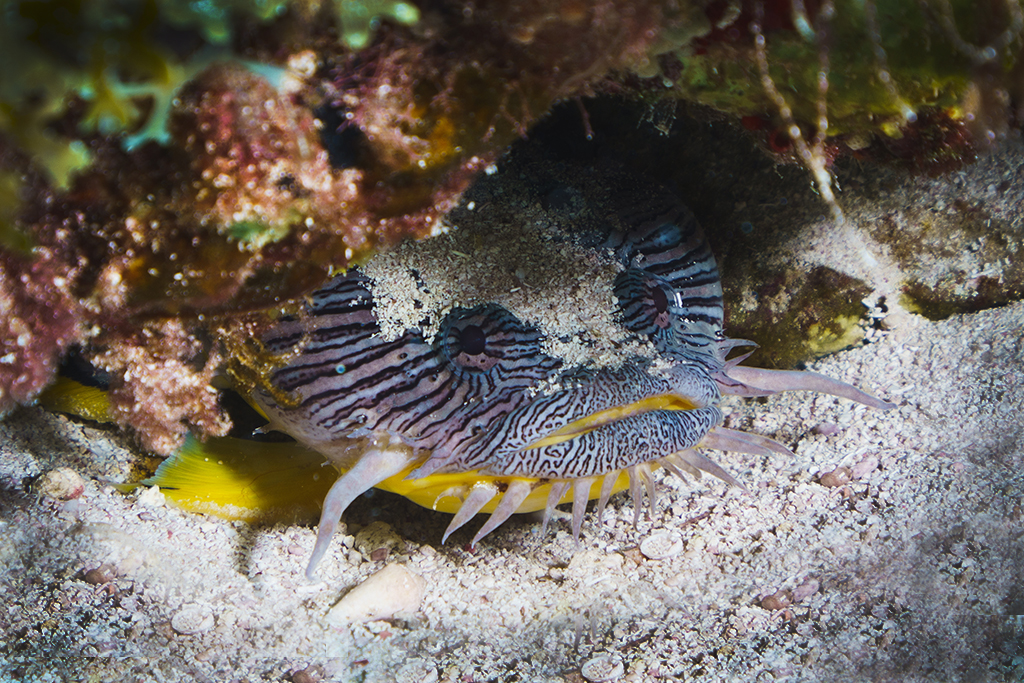
Cozumel is known as the home of the splendid toadfish. During the day, divers may spot these reclusive reef dwellers peeking out from a ledge. Toadfish wait till dark to venture from hiding to hunt for shrimp, small crabs and worms hiding in the sand. One of the best places to catch a toadfish in the open is Paradise Reef. This shallow to mid-range dive site is a perennial favorite for night dives, offering a full cast of nocturnal characters that includes roaming nurse sharks, stealthy octopus, slithering moray eels, scuttling crabs and wary lobsters. Several dive operators on the island offer boat dives to the site, and guests at Cozumel Hotel & Resort can reach the site from shore.
Isla Espiritu Santo, Mexico
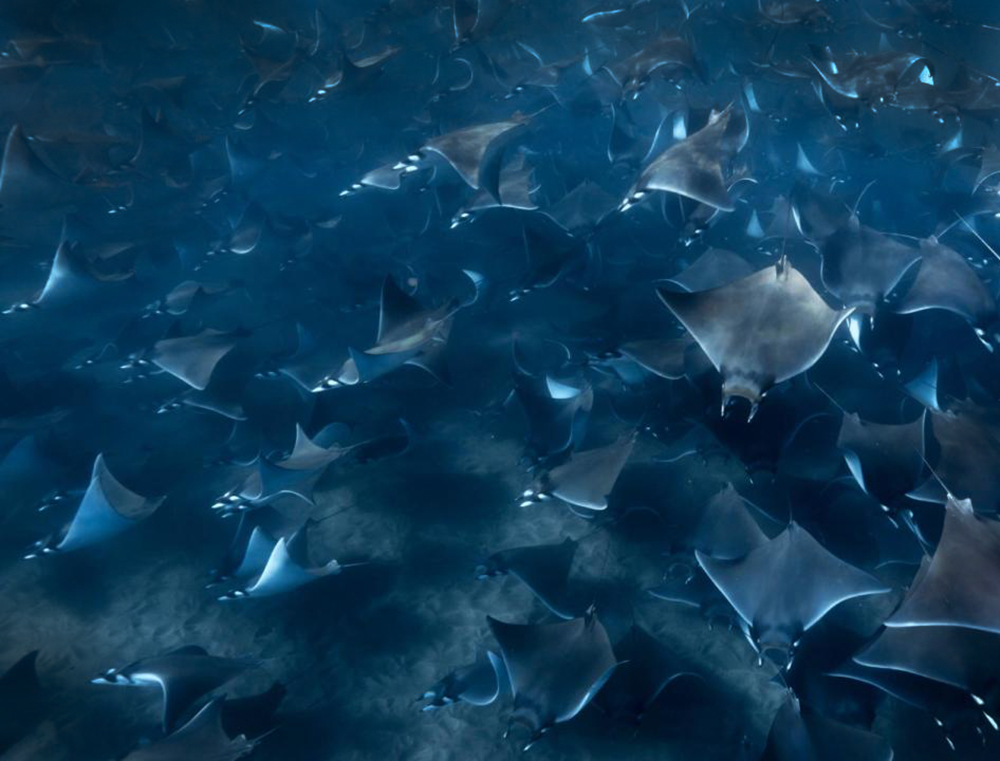
Mexico's Sea of Cortez is the site of the world's largest mobula ray migration. Drawn by seasonal upwellings of cool, nutrient-rich waters, the rays arrive in flocks that can number into the thousands and stretch for half a mile. Daytime encounters typically involve excursions in small, fast boats that maneuver to put divers and snorkelers in contact with a group of moving rays. Lucky participants may also catch sight of a pack of orcas on the hunt, flanking the rays as they marshal an attack. Night diving with mobula rays evokes a different type of excitement. Rather than pursuing, divers let the rays come to them. Dive lights attract swarms of plankton, which in turn lure the rays. And they often come by the hundreds, enveloping divers in a swirling mass. The most popular location for these immersive marine life encounters is Isla Espiritu Santo. The site is visited in daylight hours by boats from La Paz. Meeting the rays after dark is done during a liveaboard trip organized by Baja Adventures.
Sea of the Moon, Tahiti
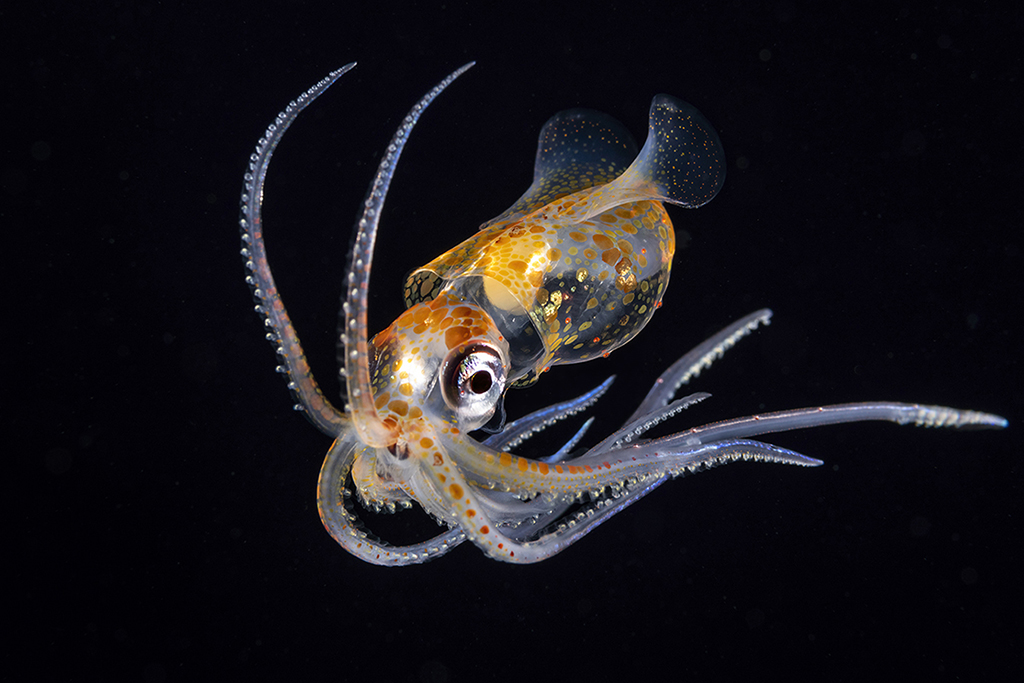
From its origins in the waters of Hawaii, blackwater diving has spread to destinations across the Indo-Pacific and beyond. The name comes from night dives made in deep, open waters, where suspended lights lure a menagerie of larval fish and invertebrates from the depths. Divers submerge and hold position next to the lights to observe and photograph the often bizarre-looking creatures that are revealed by the glow. The Islands of Tahiti have become one of the latest hotspots for blackwater enthusiasts, as deep oceanic waters lie just beyond the fringing reefs of islands and atolls. A favorite location is the channel between Tahiti and Moorea, known as the Sea of the Moon. Another top option is the deep waters just beyond the passes of Rangiroa. A number of Tahiti dive operators, such as The 6 Passengers and preferred Tahiti Rangiroa dive operator, offer special blackwater trips as an addition to standard dive packages. Other backwater hotspots in the Indo-Pacific include areas of the Philippines, such as Anilao and Moalboal, and Indonesia's Lembeh region.
Cocos Island, Costa Rica
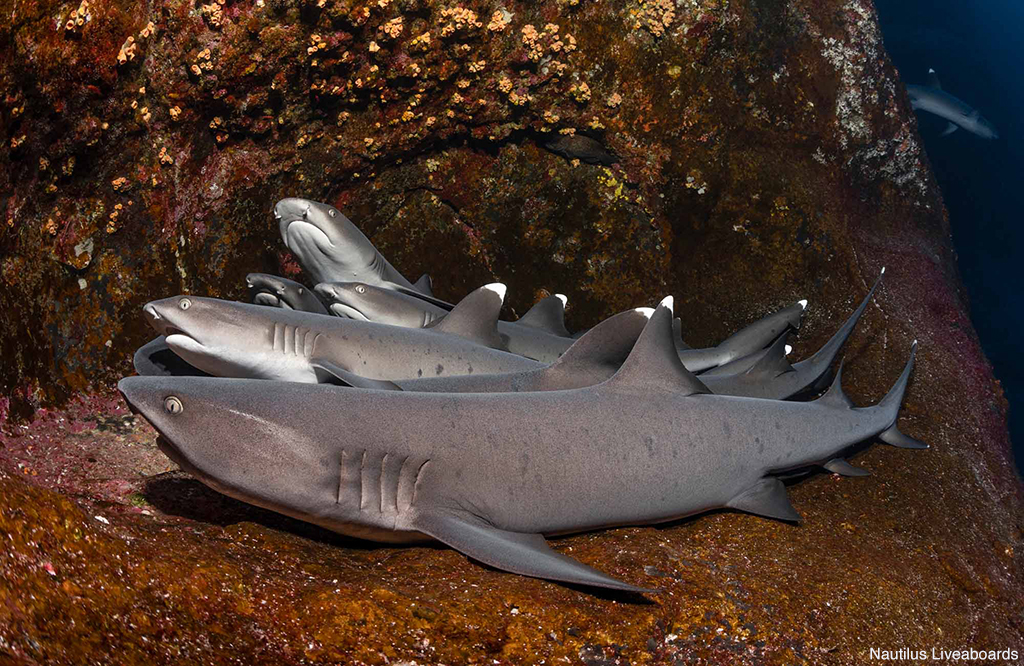
Rising from deep Pacific Waters some 350 miles west of Costa Rica, Cocos Island became the inspiration for the Jurassic Park films. There are no toothy prehistoric reptiles roaming the pristine and uninhabited landscapes of this UNESCO World Heritage Site, but there are plenty of predators lurking in the surrounding waters. Cocos is famous for large schools of hammerhead sharks. Divers can witness this phenomenon on liveaboard trips, and passengers who postpone post-dinner libations can witness another species of shark on the hunt. White-tip sharks spend their days resting in recesses in the reef. Come sundown, they emerge to begin their nightly hunts, and they often hunt in packs. The signature sight for white-tip action is Manuelita Cove, where hundreds of these mid-sized sharks swarm the reefs. Night diving with white-tips is a standard part of Cocos itineraries for liveaboards such as the Cocos Aggressor and the Undersea Hunter.
Anilao, Philippines
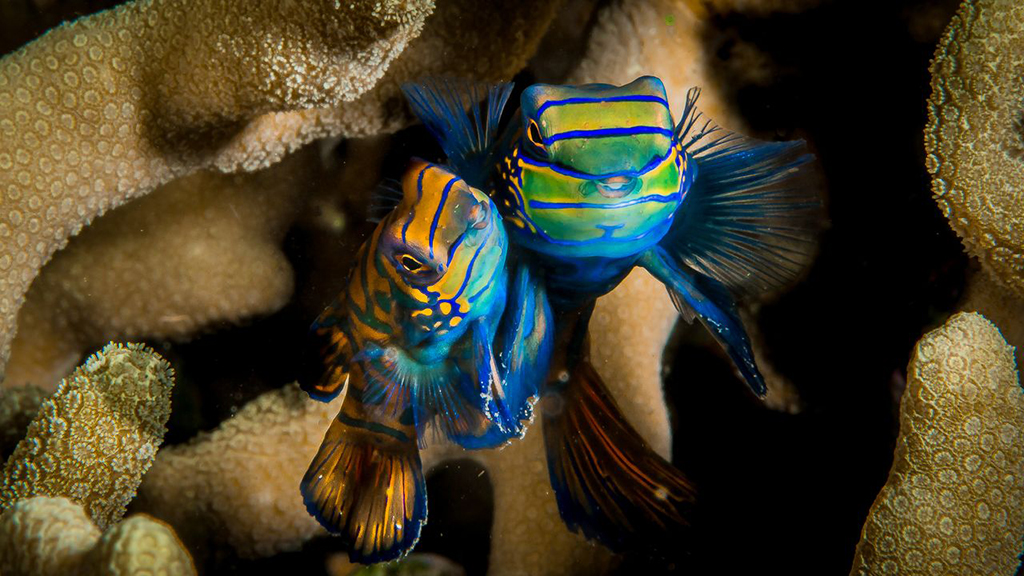
The Anilao region of the Philippines is widely considered to have the world's highest level of marine bio-diversity. Night dives at any site in the area will yield a treasure trove of intriguing subjects for photographers and fish watchers. One of Anilao's most sought-after performances comes from mandarinfish. These diminutive bottom dwellers sport swirling patterns of electric blue, vivid orange, and vibrant green that evoke the hues and patterns of traditional imperial Chinese robes. But it's not just the colors that make mandarinfish stars. At sunset, as shadows fall over the shallows, males and females pair off to perform an intricate mating dance, moving together in a tight upward spiral with fins touching, releasing egg and sperm simultaneously at the zenith of their ascent. The show takes place each night on the house reefs of resorts such as Aiyanar and Solitude Acacia, and on the Anilao town pier.
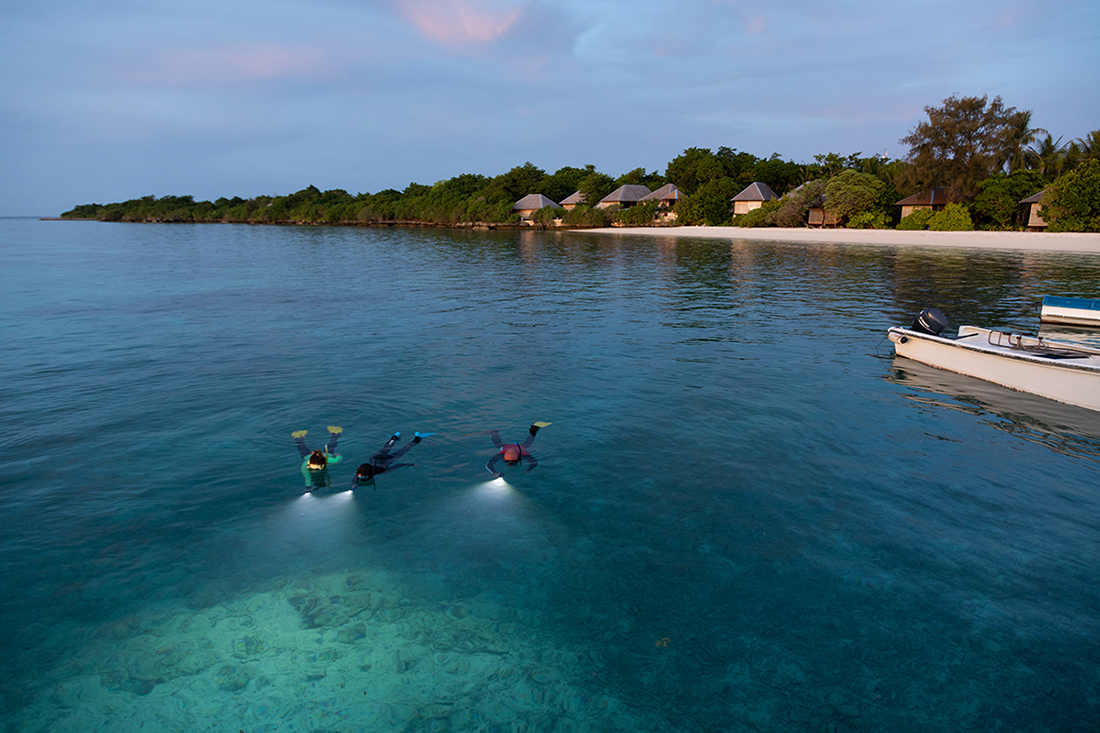
Wakatobi, Indonesia
Wakatobi's House Reef has been named the World's Best Shore Dive. It is a mile-wide swath of seagrass meadows and coral shallows that leads to a dramatic slope on the edge of deep water. Divers and snorkelers have been known to devote entire weeks exploring this habitat, and many continue their discoveries into the night. Dives can begin on the beach, but many prefer to enter a stairway on the resort pier. Here, lights from the resort's Jetty Bar attract small marine life, which in turn lure stealthy predators. Closer examination of sea fans may reveal tiny finds such as pom pom crabs, longnose hawkfish, and rare pygmy seahorses. Swimming beyond the jetty reveals a scene bustling with nocturnal activity. Moray eels slither through shadowed crevices. Crabs scuttle across the seabed. Crocodile fish and other cryptic predators lie in wait for unwary passersby. Cuttlefish stage elaborate light shows, using their color-changing talents to create pulsating displays that are thought to mesmerize potential prey. And because all of this takes place at depths of less than 30 feet, divers have plenty of time to enjoy the show.
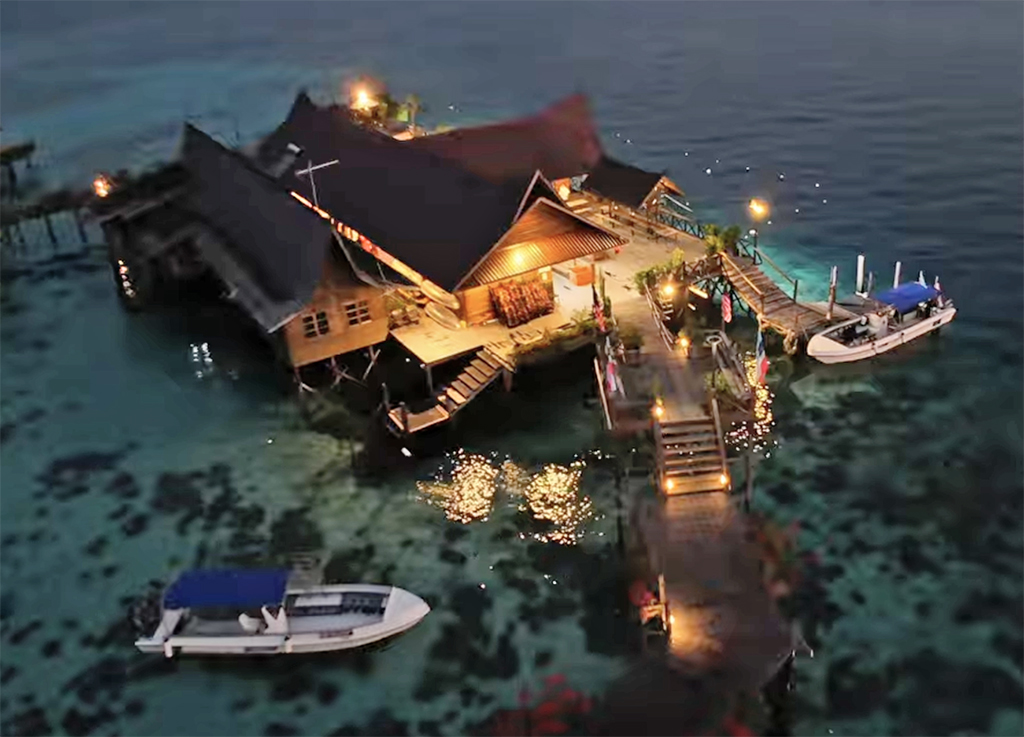
Mabul, Malaysia
Park rules require all divers to leave the Sipadan Marine Preserve several hours before sunset. But that doesn't have to be the end of the diving day for guests staying at resorts on nearby islands. The shallow slopes surrounding Mabul Island offer exceptional macro diving opportunities, and it gets even better at night. Darkness brings out the cephalopods - blue-ringed, mimic, coconut, and wonderpus octopus - along with reef squids and flamboyant cuttlefish. Keen-eyed divers can hunt for cryptic frogfish and seek out diminutive finds such as ghost pipefish, hairy squat lobsters, mantis shrimp, and a gallery of colorful nudibranchs. All this and more can be seen with a shore dive on the house reef at Sipadan Water Village. Just offshore, the Seaventures Dive Rig adds another element to night dives, as guests can hunt for cryptic critters around the rig's pilings. Three miles to the east, the Sipadan Kapalai Dive Resort is built over the shallows of a mile-wide sandbar, providing exclusive access to an equally rewarding house reef that comes alive after dark.
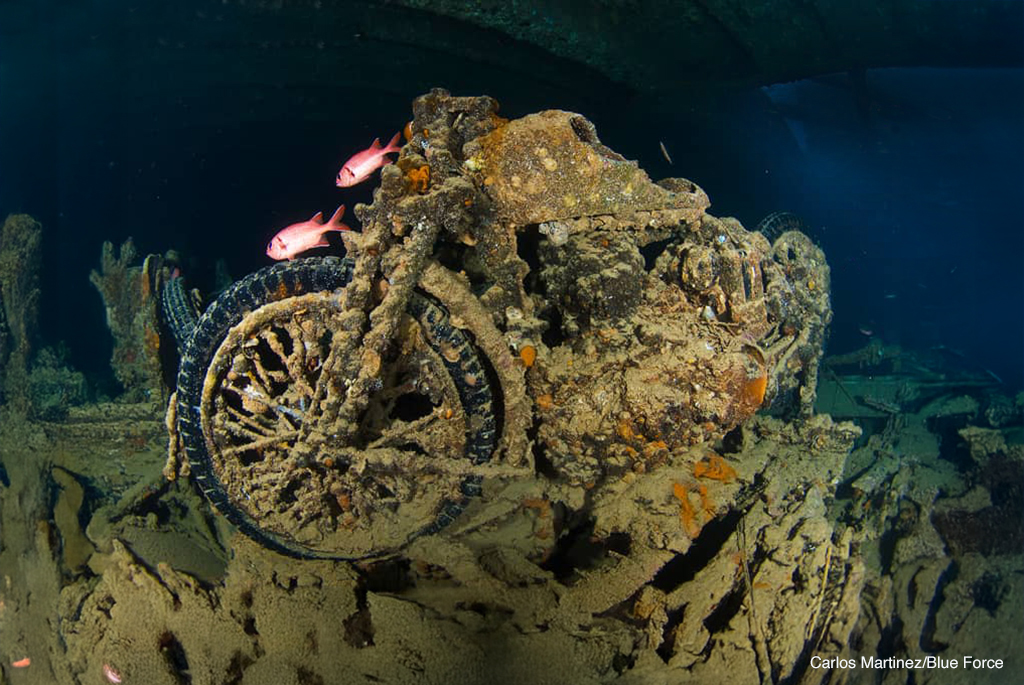
Ras Mohamed & SS Thistlegorm, Egypt
Egypt's Ras Mohamed National Park supports the Red Sea's highest level of biodiversity, including 400-plus species of hard and soft corals.The park's divers underwater terrain ranges from shallow coral reefs and amphitheater-like bays to big walls, isolated pinnacles, and slopes caved with canyons and caverns. Popular sites see a steady stream of divers who come both by live-aboard. Liveaboards that linger in the park overnight give divers a chance to visit these sites without rubbing fins with other divers. Reef sites provide ample opportunities for marine life viewing, while the area's most exciting nocturnal submersion lies outside the park boundaries. The 420-foot SS Thistlegorm is the Red Sea's most famous wreck. This British merchant naval vessel was sent to the bottom during the second World War with a full cargo of war materiel. It is a memorable dive into history that takes on an added aura of mystery when explored at night. Dive light beams reveal the profiles of motorcycles and trucks being slowly reclaimed by the sea, while also showcasing a heightened level of marine life activity and macro life that is not seen during daylight hours. Ras Mohamed is visited by the Red Sea Blue Force 2 and boats of the Aggressor, All Star, and Emperor Fleets.
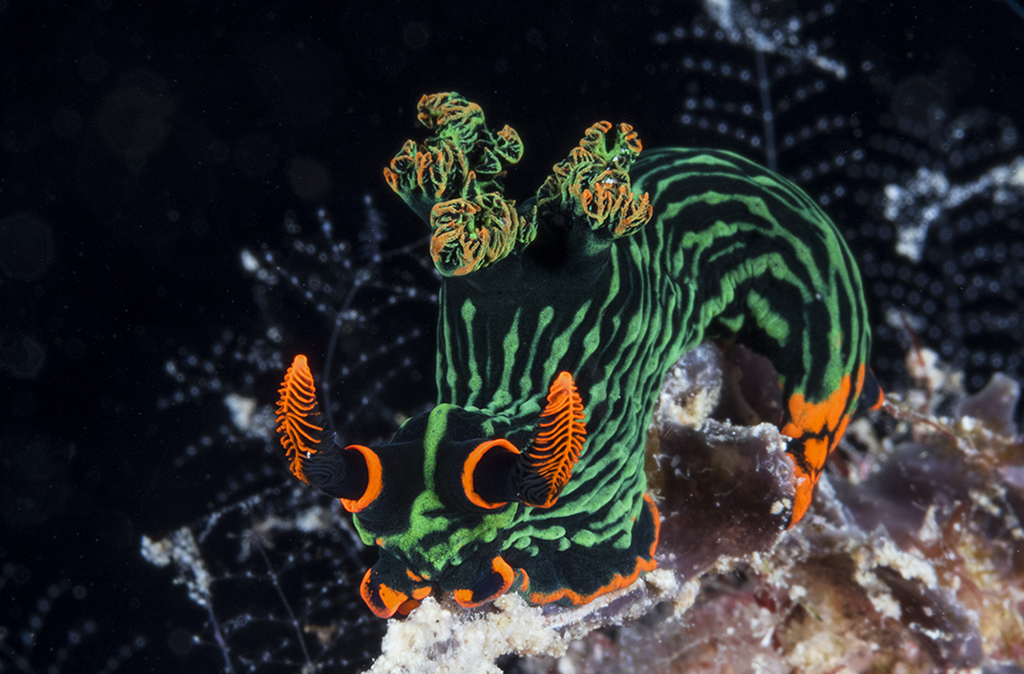
Lembeh, Indonesia
The waters of Lembeh Strait lure macro and muck diving enthusiasts from around the world. They come in search of the more than 1,000 species of rare and critical marine life that thrive in the seabed's black sands. The chances of a trophy find can increase as the sun goes down, making night diving a must-do activity. House reefs provide convenient and easy hunting, while famous sites such as Aer Prang, Teluk Kambahu, and Serena West offer a chance to tally everything from painted and hairy frogfish to ghost pipefish, mimic, wonderpus, and coconut octopi, and rare finds such as rhinopias and Lembeh sea dragons. Dives who love colorful sea slugs can opt for aptly-named Nuid Falls, where a multitude of nudibranchs share soft coral gardens with decorator crabs and delicate harlequin shrimp in a soft coral garden. Resorts such as Solitude Lembeh and Lembeh Resort regularly schedule night dives to these and other sites in the strait.