Call Today
Papua New Guinea Diving: Explore Tufi, Milne Bay & Kimbe Bay
Why Dive in Papua New Guinea?
Papua New Guinea – PNG is an A-list dive destination, known for pristine coral reefs, dramatic underwater seascapes, a rich diversity of marine life, and historic World War II wrecks. The country consists of three major islands and more than 600 small islands, surrounded by more than 6,000 square miles of coral reef and another 10,000-plus square miles of seagrass beds. Large areas of this aquatic realm remain entirely unvisited by recreational divers because of the difficulty of traveling in remote regions and the lack of resort infrastructure. As a result, the number of divers arriving in PNG each year is less than some popular Caribbean destinations see in a single week.
Divers who travel to PNG often focus on one of three resort destinations that combine exceptional in-water adventures with a first-class resort experience. Though remote, these dive outposts offer all the comforts of civilization, along with a few luxury touches that elevate the vacation experience both in and out of the water
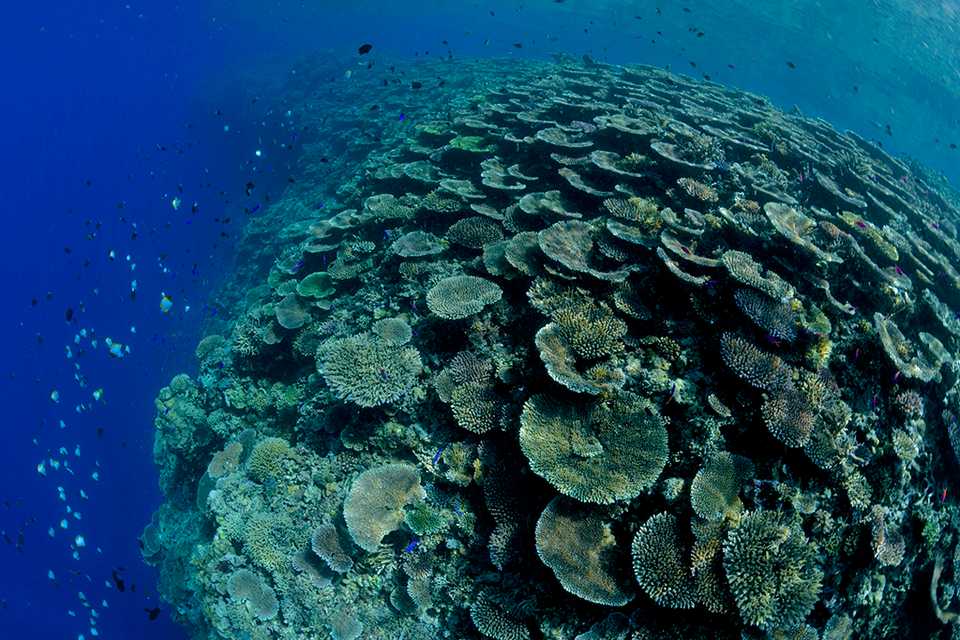
Healthy Reef and amazing dive site of Papua New Guinea
Tufi: Fjords, Wrecks & Macro Marine Life
The northeast coast of New Guinea Island is cut by a network of deep volcanic inlets known as the Tufi Fjords. Formed by ancient eruptions, the deep bodies of calm water lure paddlers, trekkers, and divers seeking unique experiences. Sitting near the mouth of one of the region's larger fjords is Tufi Dive Resort, which perches atop a rainforest-clad bluff overlooking calm turquoise waters. The resort is easily reached by commuter flights to the next-door airfield. This accessibility makes Tufi the ideal basecamp for exploring the region both above and below the water. Tufi is known for exceptional snorkeling and offers cultural experiences and eco-adventures like bird watching, volcano treks, and paddling on a thermal river.
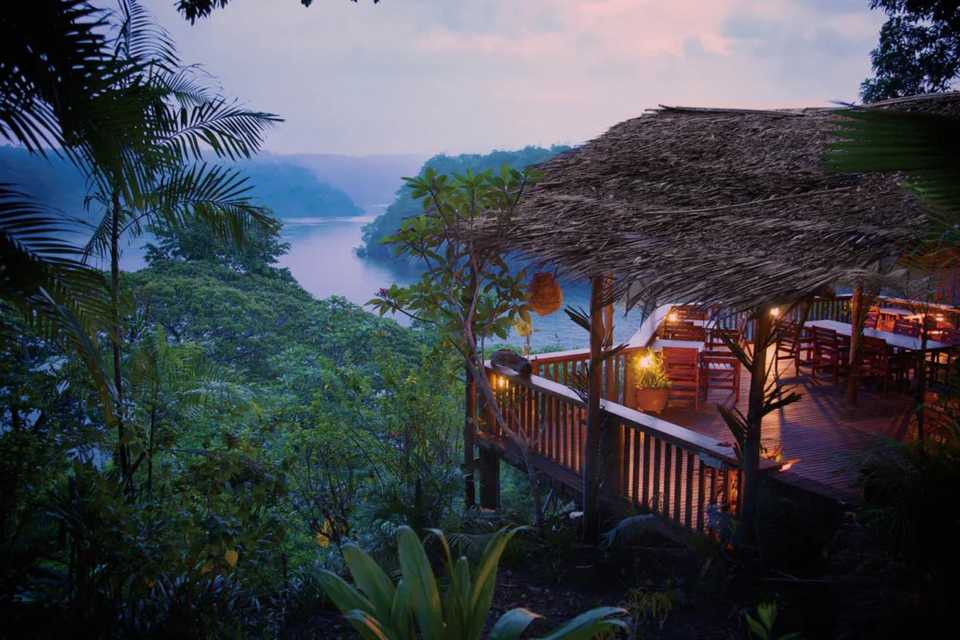
Tufi's stunning view
Divers can begin explorations at the dive center docks, where clear waters reveal slopes covered in scattered fields of WWII machinery and a war wreck. This abandoned infrastructure now shelters an eclectic mix of macro life that includes gobies, nudibranchs, mandarin fish, ghost pipe, banded pipe, octopus, and a wealth of additional subjects, creating a mecca for underwater macro photography and rewarding night dives. Boat trips provide access to a broader area of the fjords, and to the open waters of the outer reef. There, high-relief coral bommies rise close to the surface to attract large numbers of barracuda, Spanish mackerel, tuna, and bigeye trevally. Reef, black-tip, and scalloped hammerhead sharks are frequently sighted, along with the chance for encounters with manta rays and whale sharks.
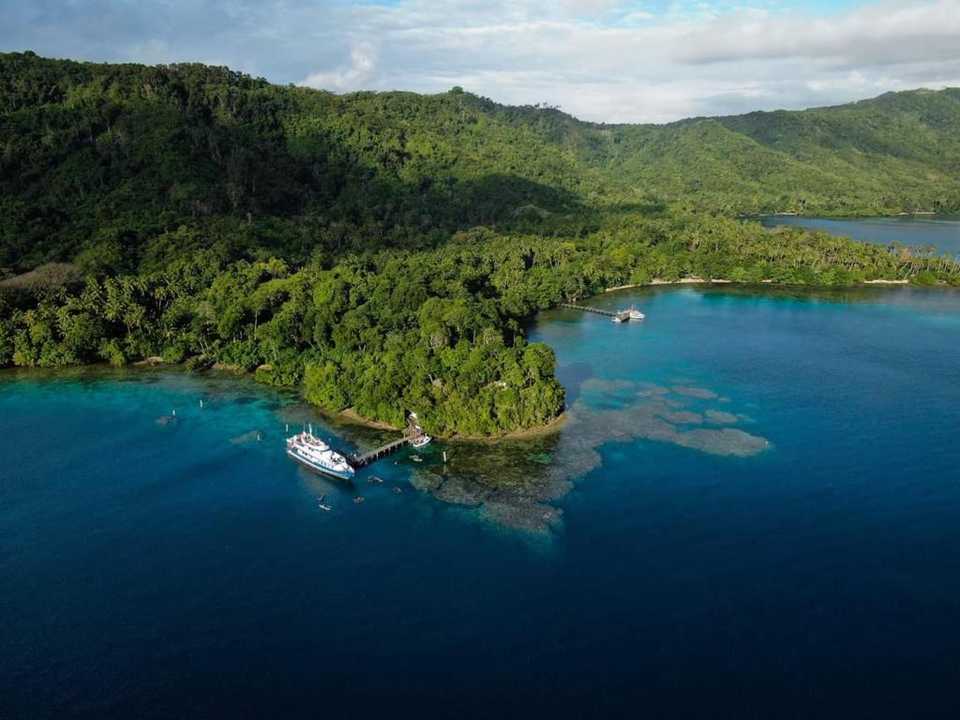
Birdseye view of Tawali Resort.
Milne Bay: The Birthplace of Muck Diving
The dark, volcanic sands of Milne Bay is where muck diving became a thing. The couple who first introduced the diving world to the sport of hunting through silty seabeds for unique marine life later went on to found the Tawali Leisure & Dive Resort. Remote and only reached by boat, it sits on an elevated point of land that provides panoramic views of surrounding coral reefs from the terraces of hand-crafted bungalows. Though off-grid, Tawali offers a full suite of modern amenities and comforts delivered with a touch of exotic luxury.
Diving adventures begin right off the resort docks on a house reef that offers both coral formations and muck-diving sites. The dive center operates a fleet of day boats ranging from fast launches to a 60-foot vessel used for longer-range explorations and all-day excursions. Muck diving remains a signature experience at Tawali, but the fleet also takes divers to more than 60 sites in nearby waters that feature walls, pinnacles, shallow coral plateaus, and WWII aircraft wrecks. Dive sites located near prominent headlands and along underwater channels add pelagic encounters to the mix, with sightings of sharks, rays and passing whales.
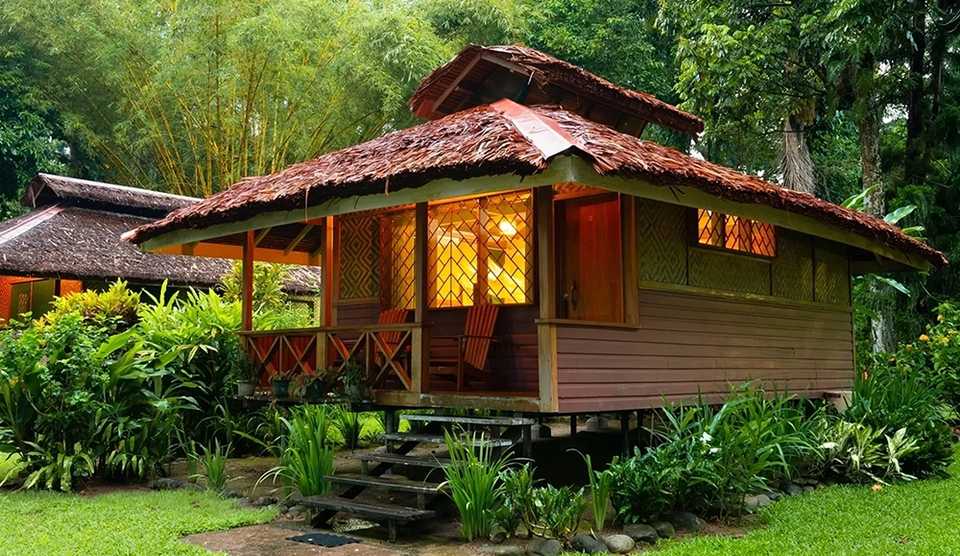
Walindi's traditional bungalows
Kimbe Bay: A Coral Triangle Hotspot
Stretching 60 miles along the northern coast of New Britain Island, Kimbe Bay is considered one of the world's most prolific coral hotspots and a crucial sanctuary for marine life. Its waters contain more than 60 percent of all coral species found in the Indo-Pacific region, up to 900 varieties of reef fish, and more than a dozen species of whales and dolphins.
The only land-based operation in the region is Walindi Plantation Resort. For more than 50 years, this family-owned resort has been known as the gateway to Kimbe Bay. Guests are housed in traditionally styled sea view bungalows and plantation house rooms set in tropical gardens. The resort operates a fleet of day boats that visit more than 40 uncrowded dive sites that feature vibrant shallow reefs, coral-covered slopes, sheer walls, and volcanic seamounts swarmed by schools of barracuda and jacks. The resort is also the home base for the liveaboards MV FeBrina and MV Oceania, which take divers on explorations of the Bismarck Sea and wider areas of the Coral Triangle. In addition to world-class diving and snorkeling, Walindi organizes dolphin and bird watching tours, rainforest hikes, visits to a thermal spring, and cultural events.
Caradonna Can Get You There
Traveling to PNG begins with a flight to Port Moresby, followed by a short inter-country flight to your destination. From there, hotels will arrange pickup and transportation to your island paradise. Caradonna agents can package hotel stays, diving, meals, tours, and airfare to create seamless air-inclusive packages.