Call Today
Indonesia Liveaboard Diving: Raja Ampat, Komodo & Beyond
Indonesia is a nation of islands that stretches more than 2,500 miles east to west, encompassing more than a million square miles of ocean and many of the world's most biodiverse marine habitats. Divers could spend a lifetime exploring these waters and still have more to discover. But you don't need years to experience the highlights of Indonesian diving, thanks to a pair of liveaboards that visit amazing dive sites across the archipelago.
Meet the Seahorse and the Ambai, premium liveaboards operated by Wallacea Dive Cruises. Company founder Jérôme Doucet began his explorations of Indonesia in 1990 and launched Wallacea in 2002 as one of the first companies to offer premium Indonesian liveaboard experiences. In the 25 years since, the company has perfected rotating seasonal schedules that take in peak season dive action at the most acclaimed destinations. These itineraries cover bucket list destinations like Raja Ampat, Komodo and Sulawesi, as well as more secluded and off-the-beaten-track venues such as Alor, the Banda Sea, Halmahera and Triton Bay.
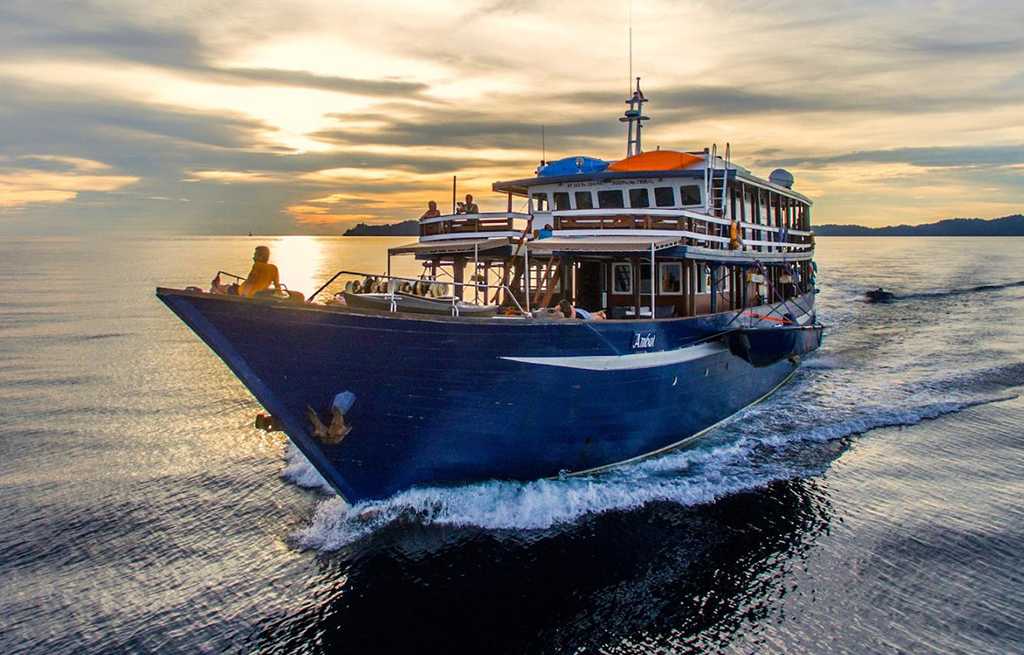
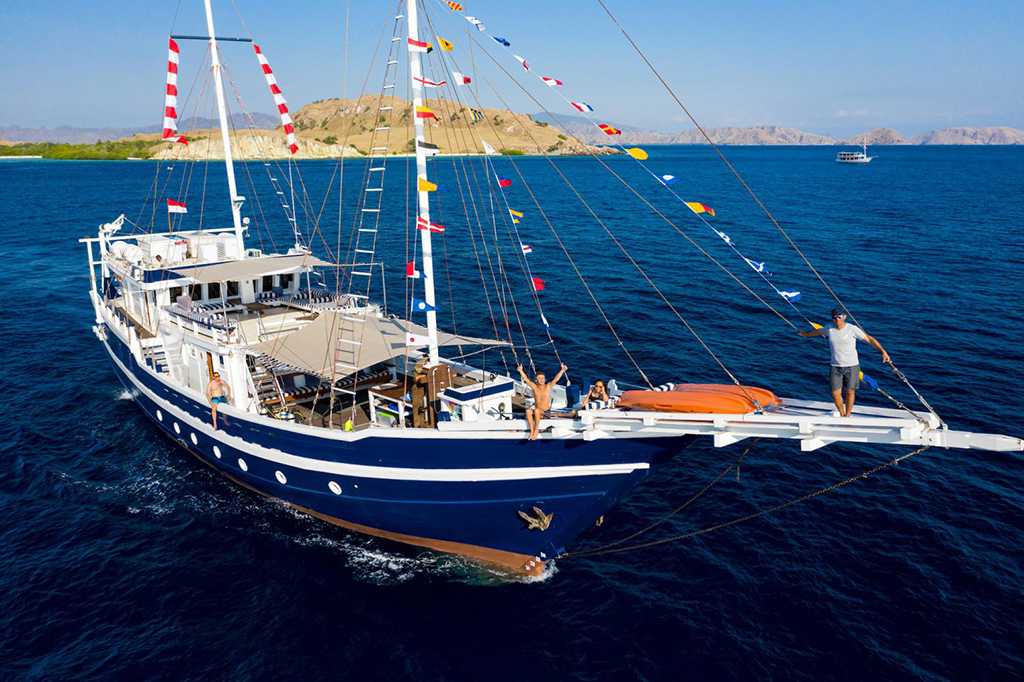
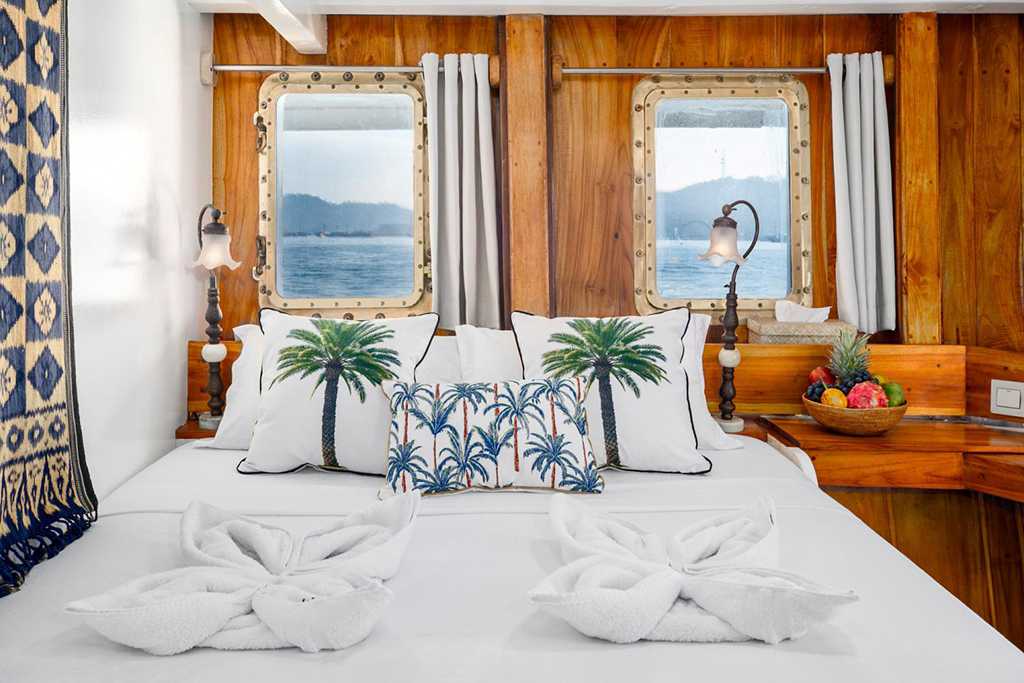
The Seahorse combines diving with the adventure of sailing aboard a traditional Indonesian phinisi schooner. At 108 feet in length, it provides spacious accommodations for up to 16 guests, attended by a crew of 12 plus four dive masters. The 104-foot Ambai also carries 16 divers, served by a crew of 18. Its large dive deck and dedicated camera work room make it a favorite with photographers. Both boats provide concierge-level diving services, with the crew handling all gear transfers, setup, and storage.
Here is a quick sampling of the places the boats of Wallacea visit throughout the year.
Raja Ampat Diving in Indonesia
Raja Ampat: The Epicenter of Marine Biodiversity
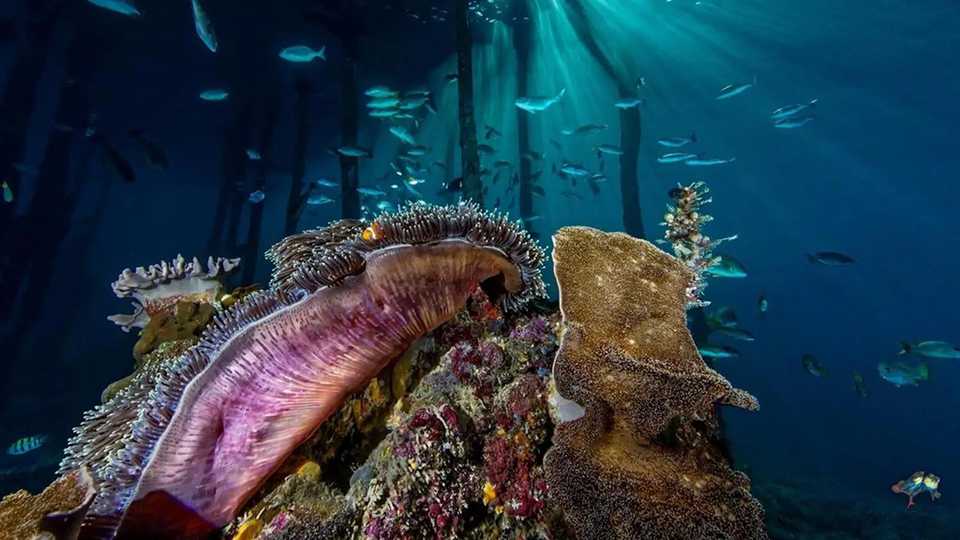
From October to April, the Seahorse and the Ambai focus on the waters of Raja Ampat. These islands are famously known as the global epicenter of marine biodiversity, fed by the meeting of nutrient-rich ocean currents from the Pacific and Indian Oceans. Marine biologists have identified more than 600 types of hard corals in Raja Ampat waters, representing more than 75 percent of the world's coral species. Reefs are home to more than 1,600 species of reef fish, including dozens of endemic species found nowhere else
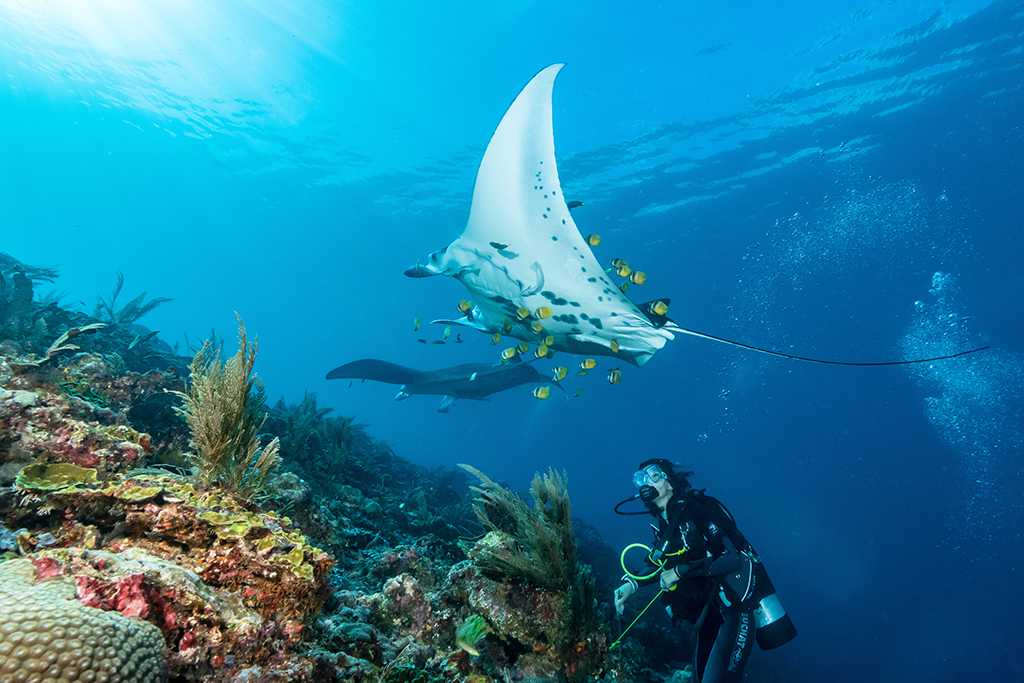
Famous examples of Raja Ampat's underwater attractions include Cape Kri, which holds a world record for the most fish species counted on a single dive, and Manta Sandy, where divers enjoy close encounters with reef manta rays. Reef tops like Melissa’s Garden showcase vast, pristine fields of hard table and staghorn corals, while open-water seamounts like Blue Magic attract tuna, jacks, sharks, and oceanic manta rays.
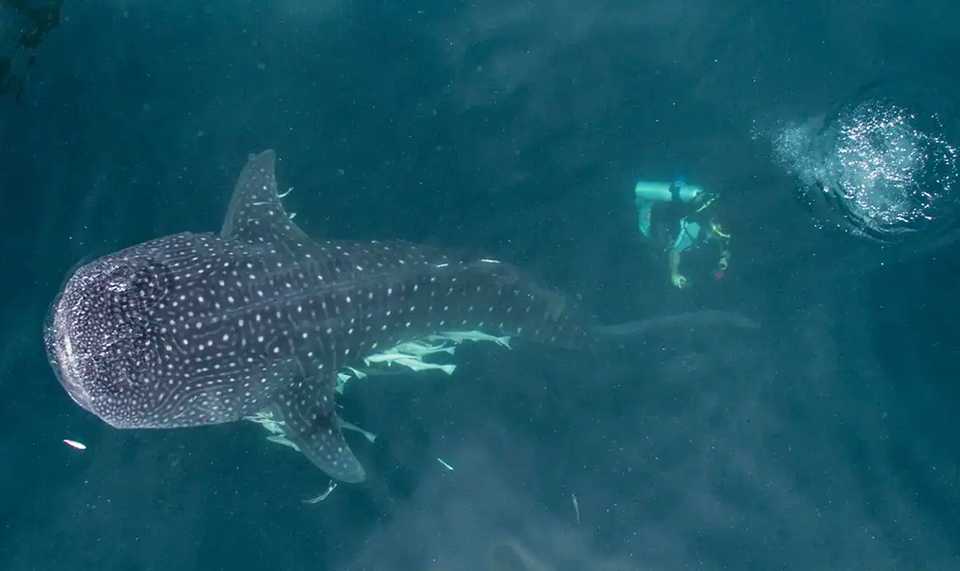
Triton Bay Whale Shark Diving
Triton Bay: Remote Reefs and Whale Sharks
Several times each year, the Ambon and Seahorse offer extended-range cruises that combine Raja Ampat diving with a trip to Triton Bay. Located at the heart of the Kaimana Marine Protected Area on the western edge of New Guinea Island, this remote setting is one of Indonesia's less-explored regions, offering frontier-like dive experiences.
Triton Bay is best known for extensive soft coral groves and predictable whale shark encounters. Large numbers of tropical fish gather in the large boulder fields of Bo's Rainbow and Batu Jatuh, which are riddled with swim-throughs and small caves; White Rock is a favorite site for macro hunts and sightings of epaulette walking sharks; farther offshore, Pintu Arus delivers thrilling drift dives across rich soft coral fed by tidal flows.
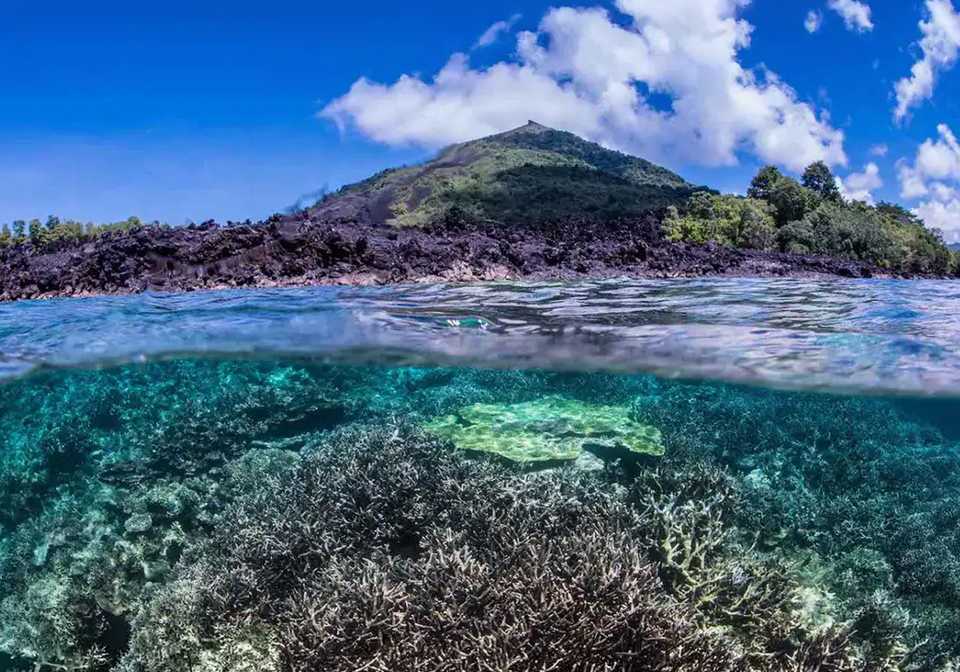
Halmahera Indonesia Muck Diving
Halmahera: Indonesia’s Frontier Diving
April marks the end of the diving season in Raja Ampat; prior to moving south, the boats make one or more trips west to Halmahera. This remote region of the Maluku Islands is known as one of Southeast Asia’s true frontier diving destinations. Uncrowded and recently discovered dive sites offer a similar level of biodiversity as Raja Ampat. Goraici Island is known for pristine hard coral gardens, dramatic drop-off walls, and manta ray feeding stations.
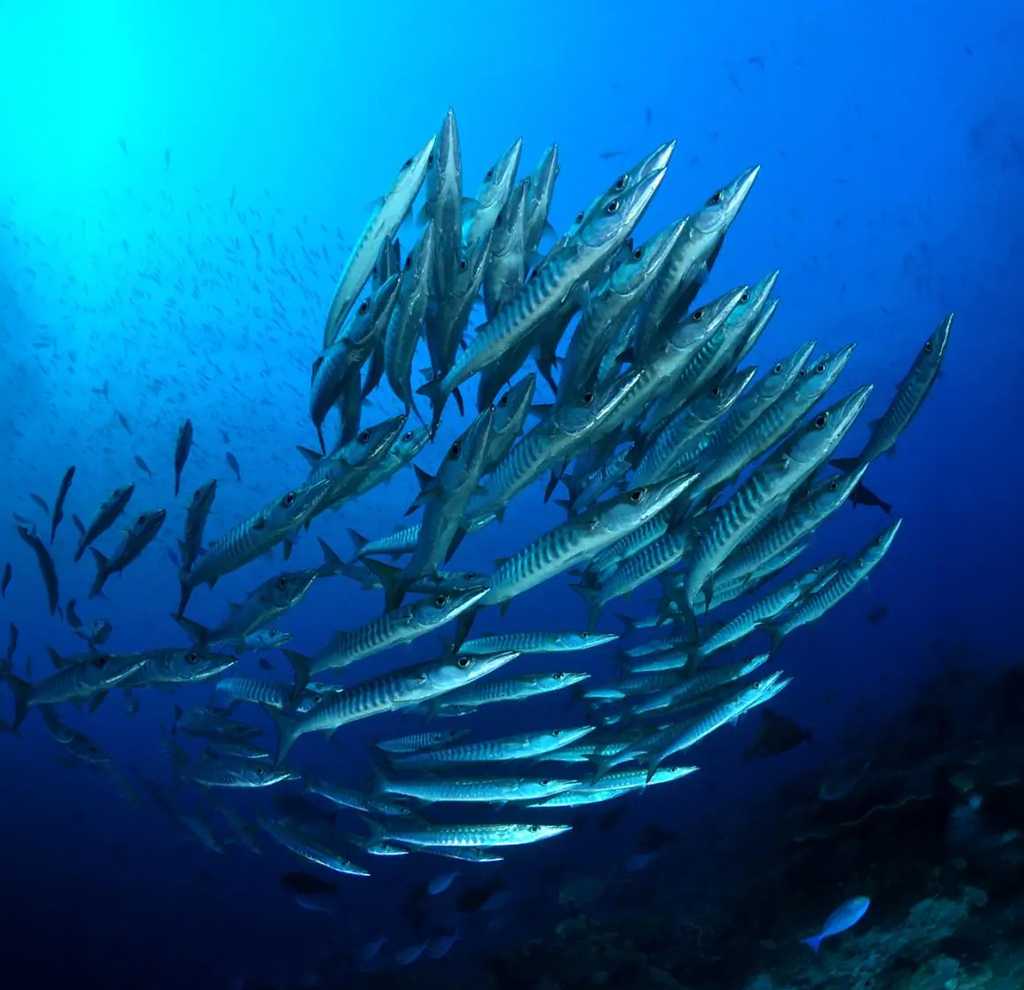
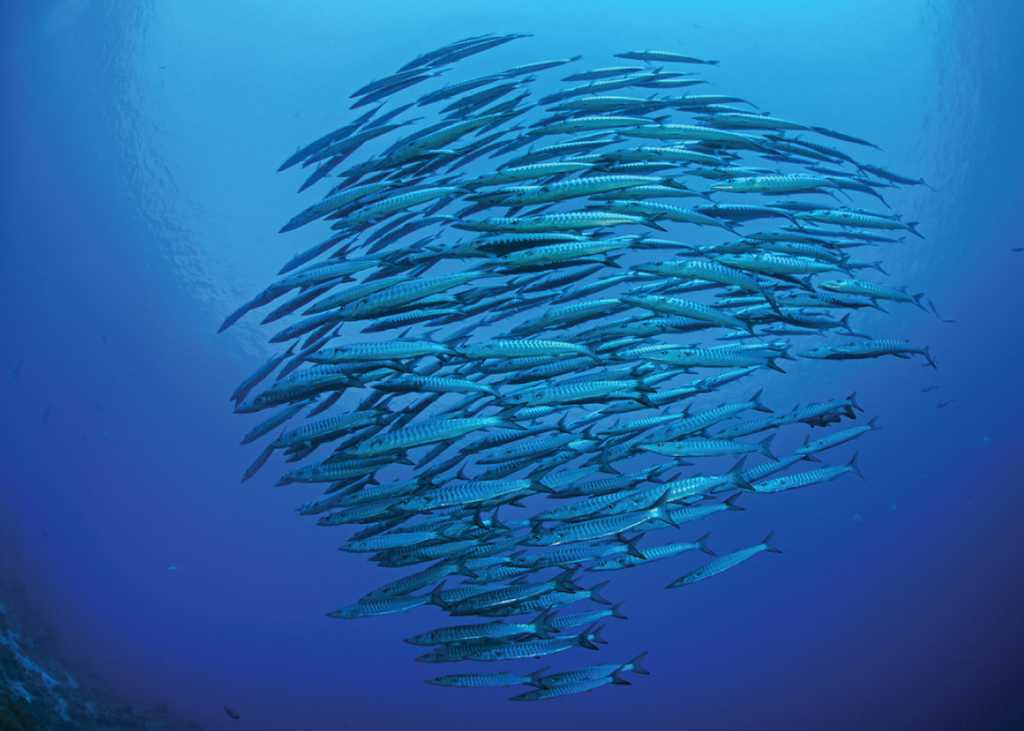
At Bacan Island, black volcanic sand slopes create excellent muck diving opportunities for rare macro critters provide rewarding muck diving, for rare marine life. Ternate and Tidore Islands feature steep drop-offs and thrilling current dives; Tifore Seamount attracts open-ocean pelagics and holds swirling tornado-like schools of barracuda and jacks; Weda Bay is flanked by big walls and holds historical war wrecks.
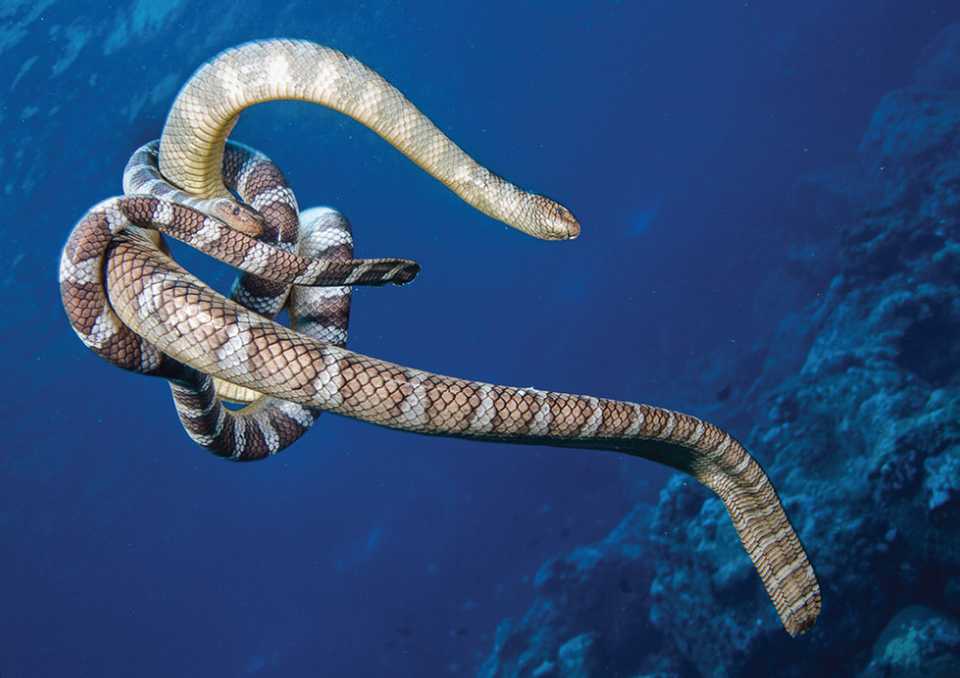
Banda Sea Snake
Banda Sea And The Forgotten Islands
In May, the Seahorse and Ambon begin a move south to the Sunda Islands and Komodo National Park. Along the way, they make stops as they pass through the Banda Sea and the Forgotten Islands. This region is known as the Ring of Fire for its numerous volcanic islands – a quarter of which are still active. Volcanic action is evident at sites such as Gunung Api, where large table colonies now cover the lava flow from a 1988 eruption of the Banda Api volcano. At Manuk Island, geothermal vents bubble up through black sands to attract hundreds of sea snakes and their lookalike imposters, the sea kraits.
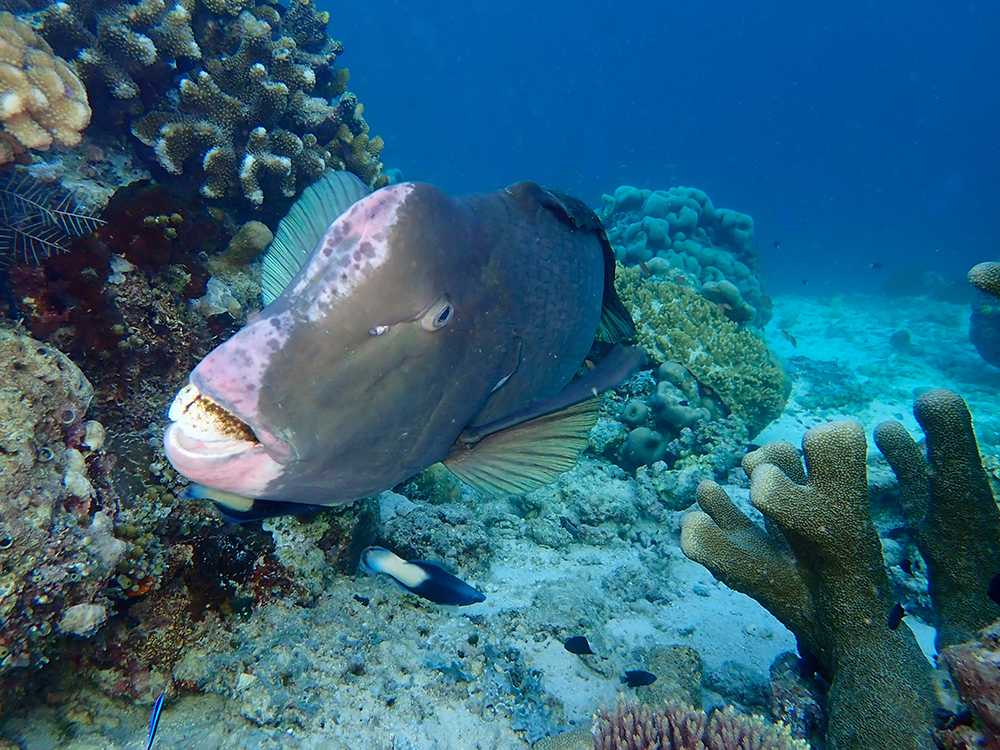
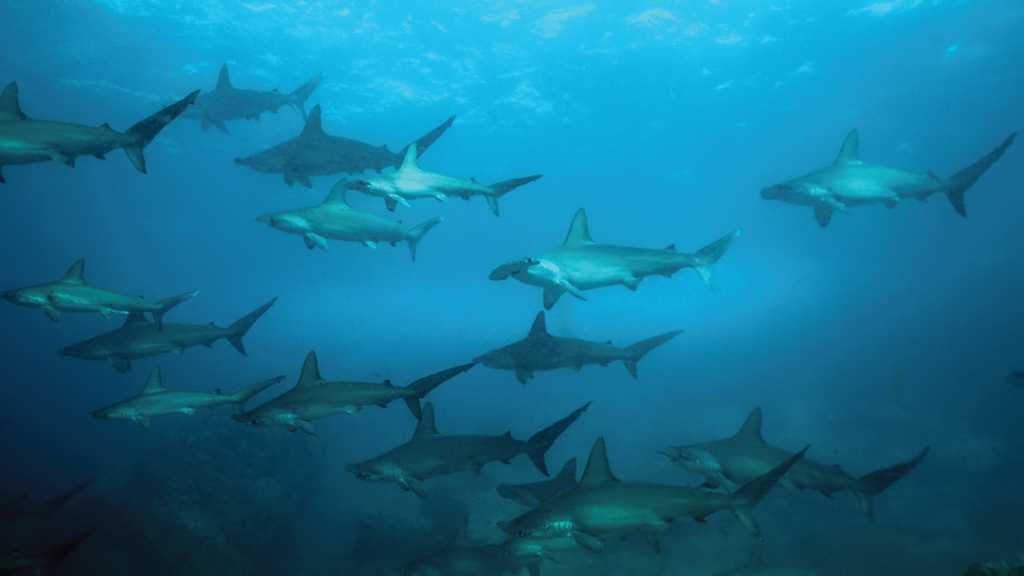
The Banda Sea is also known for exceptionally clear water, big walls, and seamounts. Schooling hammerhead sharks are often seen at Nil Desperandum atoll. Sites such as the Canyon at Reong Island offer current-swept walls, caves, and swim-throughs where grey reef sharks, eagle rays, and bumphead parrotfish congregate near manta ray cleaning stations. The Terbang Islands add shallow hard-coral gardens, dramatic drop-offs, and large overhangs dripping with colorful soft corals.
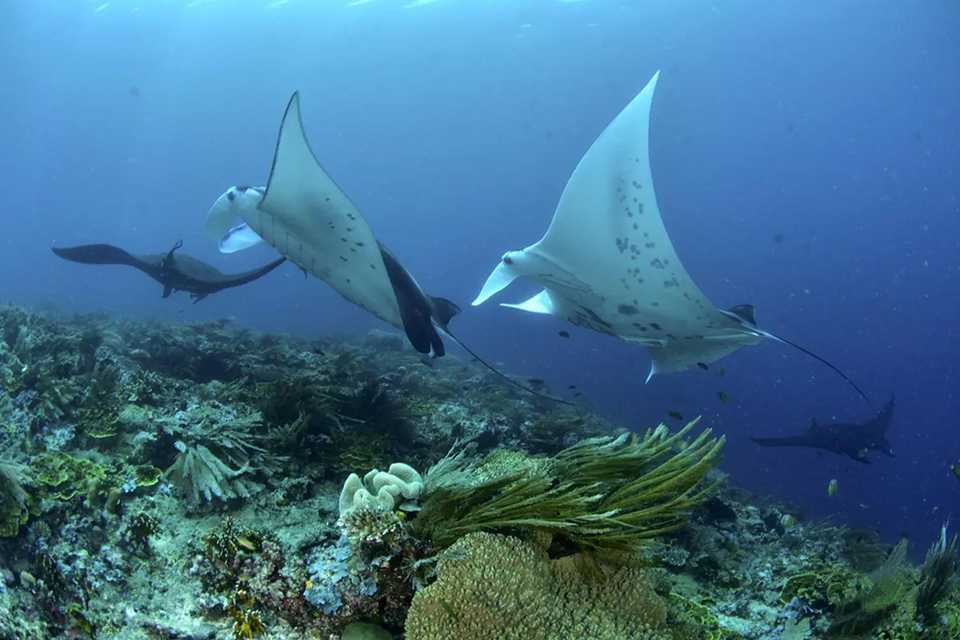
Komodo Manta Ray Diving
Komodo: Mantas, Sharks and World-Class Currents
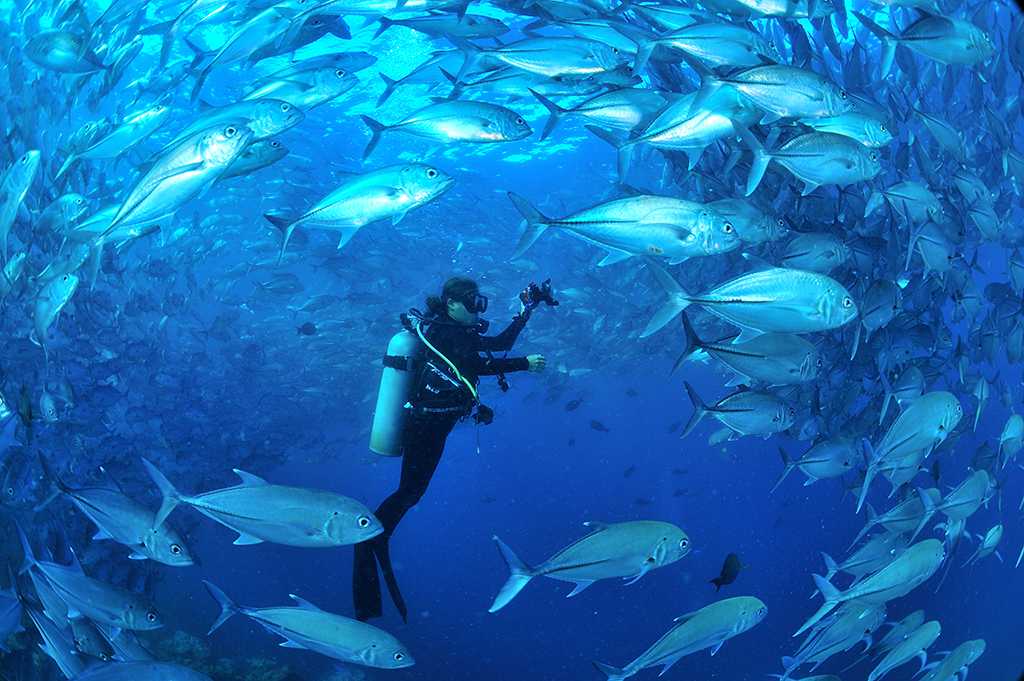
Komodo National Park is well known for its namesake dragons, which are the world's largest lizards. Walecea's Komodo itineraries usually include shore excursions to see the dragons, but the main focus is on the exciting underwater action. Manta rays take center stage at cleaning stations at sites like Karang Makassar, Mawan, and Manta Alley. The pinnacles of Batu Bolong and Castle Rock hold schools of giant trevally, bumphead parrotfish, and Napoleon wrasse, and are visited by large numbers of white-tip, black-tip, and grey reef sharks. At the Cauldron, divers get swept through a channel by swirling currents to arrive at a calm coral reef.
Komodo trips may stop at less-visited Sumbawa Island for reliable whale shark encounters in Saleh Bay and hunts for cryptic macro life on black sands at Sangeang Island, where champagne-like clouds of bubbles rise from hidden volcanic vents.
Caradonna agents can arrange liveaboard diving in Indonesia and airfare to create seamless, air-inclusive packages. Contact us today at 1-800-330-6611.