Call Today
Take Your Best Shot
Ready to capture that image of a lifetime? Here are the top destinations around the world for shooting everything from rare macro life to the biggest fish in the sea.
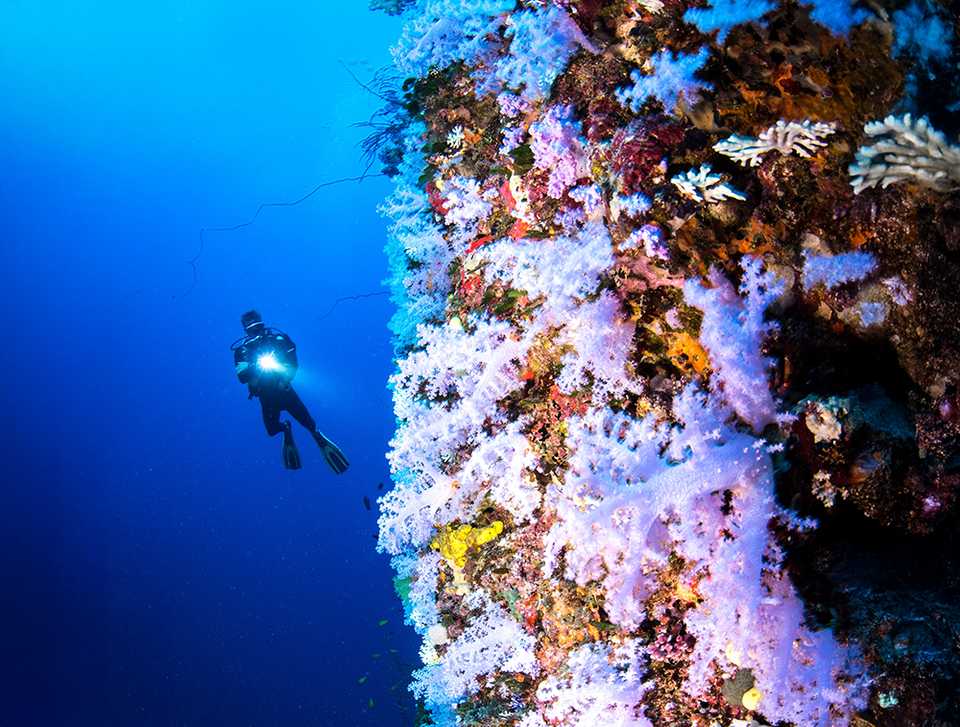
Fiji's great White Wall combines dramatic vertical relief with a ghostly carpet of soft corals.
Hit the Wall
Wall diving is where a picture is definitely worth a thousand words. Capturing the awe-inspiring experience of floating weightless on the edge of a mild-deep underwater cliff face works best when there is sunlight and clear water. One of the top places to find both is in the Cayman Islands – the place where wall diving first became a thing. The best images come from sites on Little Cayman's Bloody Bay Wall and Grand Cayman's North Wall. Other top sites include the Yellow Wall in Komodo, Indonesia, for prolific soft coral cover, the electrifying marine life that swarms the wall at Blue Corner in Palau, the Great White Wall in Fiji, and the big walls, big walls of San Salvador and Grand Turk that are revealed by clear waters.
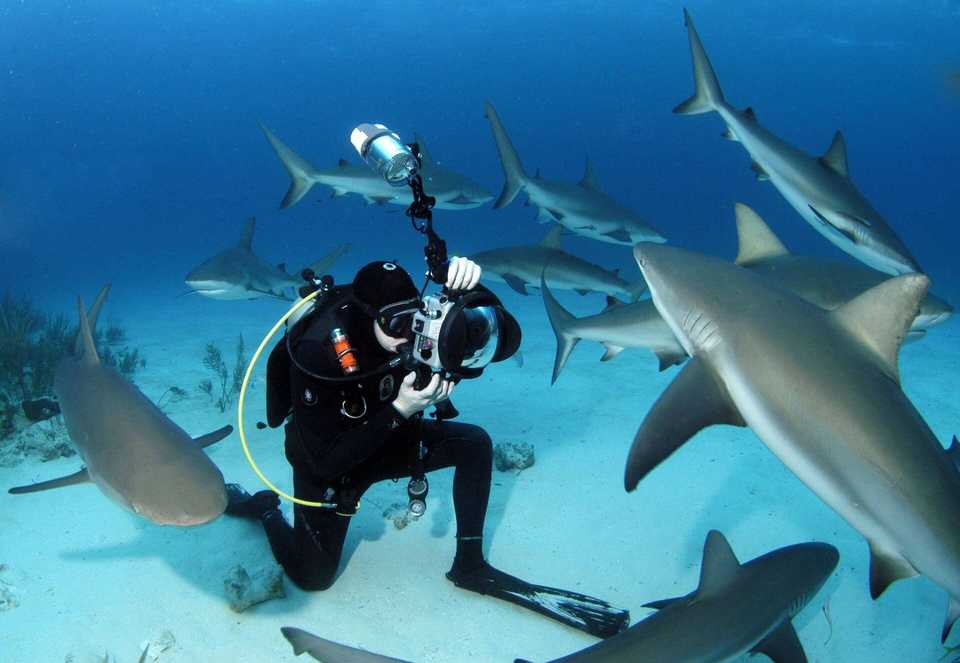
Consistent shark encounters in bright waters make New Provides Island a favorite destination for shark photography.
Shoot A Shark
Sharks show up on dive sites around the world, but there are certain locations where they consistently come close to the camera, making for exciting portraits. The Bahamas is a shark hotspot, known for famous feeding dives in New Providence, Tiger Beach, and the Exumas, as well as spontaneous sightings in Bimini, San Salvador, and Cat Island. Fiji's Beqa Lagoon is famous for its tiger shark feeds; Costa Rica's Cocos Island offers large schools of hammerheads; Wolf Island in the Galapagos puts divers face-to-face with up to a dozen species of sharks; Tahiti's lagoons put shooters face-to-face with blacktip and lemon sharks, and Fakarava Atoll is the site of the famous Wall of Sharks.
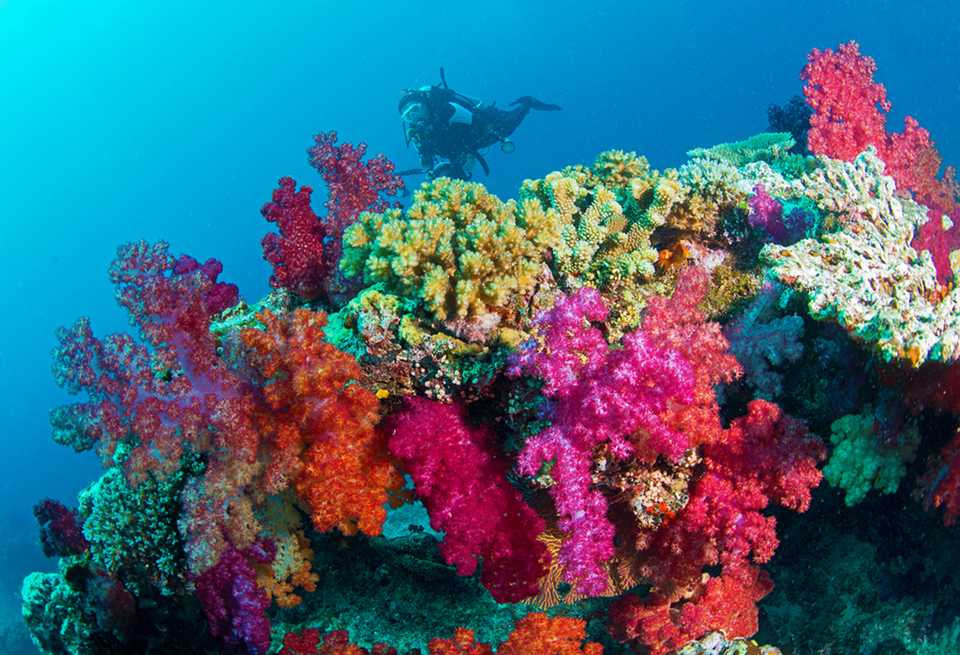
Coral Reefs in the Indo-Pacific are the most colorful in the world.
Capture the Colors
The colors, textures, and marine life of a coral reef provide near-endless opportunities for underwater photographers. Certain destinations around the world take reef portraits to the next level by introducing kaleidoscopic colors brought to life by tropical sunlight and clear waters. Fiji is a prime example, famous for the multi-hued soft corals that blanket reefs in pastel shades. Other standouts include Indonesia's Raja Ampat islands, which showcase 75 percent of all known coral species in visually stunning displays. The less-visited and pristine reefs of the Solomon Islands have similar levels of coral diversity to reefs that transition abruptly from shallow waters into oceanic depths.
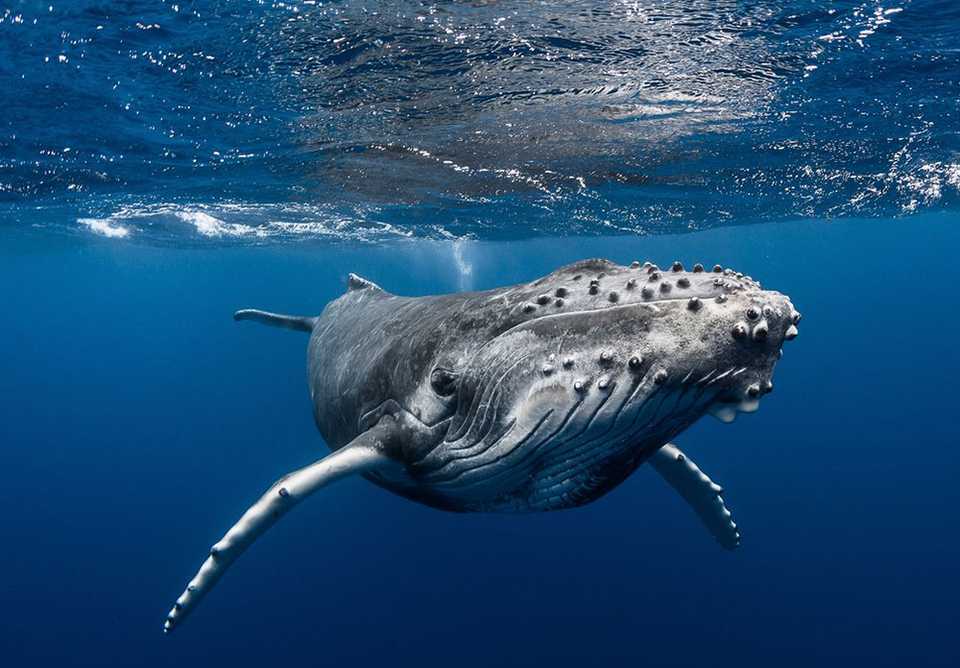
Humpback whales are known for gregarious approaches that make the photographer's task easier.
The Biggest Picture
Capturing an image of the world's largest marine mammals is a guaranteed “wow” factor. The trick is finding those places where whales linger long enough to get in the frame. Two top destinations for humpback portraits are the winter breeding grounds of the Dominican Republic's Silver Banks and the waters of Tahiti. The Island of Dominica takes top honors for encounters with sperm whales, and the Ribbon Reefs of Australia's Great Barrier Reef put divers up close with minke whales.
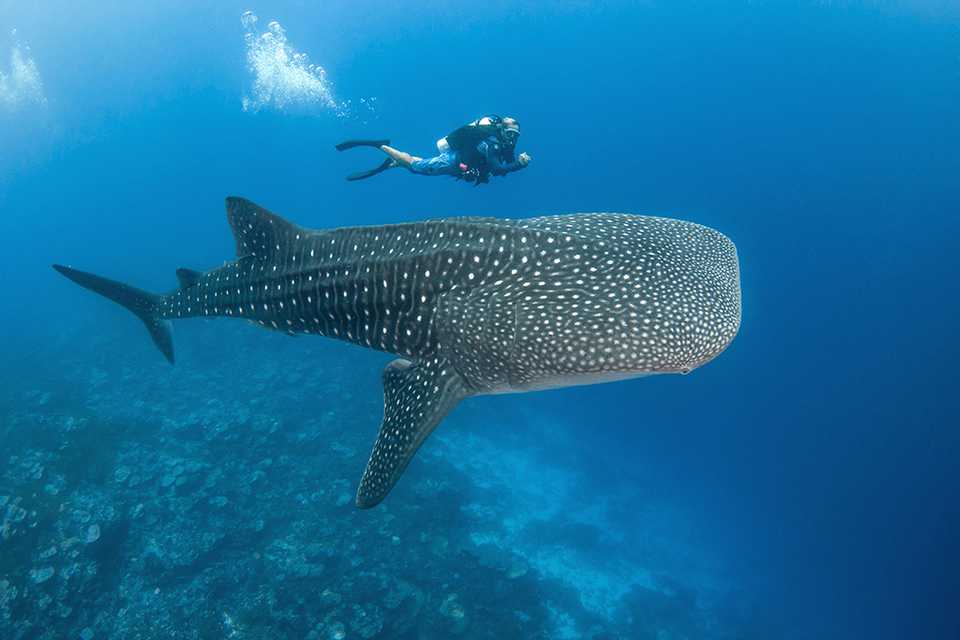
Adding a diver to the frame emphasizes the true size of a whale shark.
Swims with Whale Sharks
A portrait of a whale shark is a keeper in anyone's portfolio. Adding a swimmer or diver to the scene takes the image to a whole new level by emphasizing the relative size of these largest fish in the sea. Three places where swimmers and whale sharks come together with predicted reliability are the waters north of Mexico's Isla Mujeres during summer aggregations and La Paz Bay during winter gatherings. Other global hotspots include the plankton-rich waters of Hanifaru Bay in the Maldives and Wolf and Darwin Islands in the Galapagos.
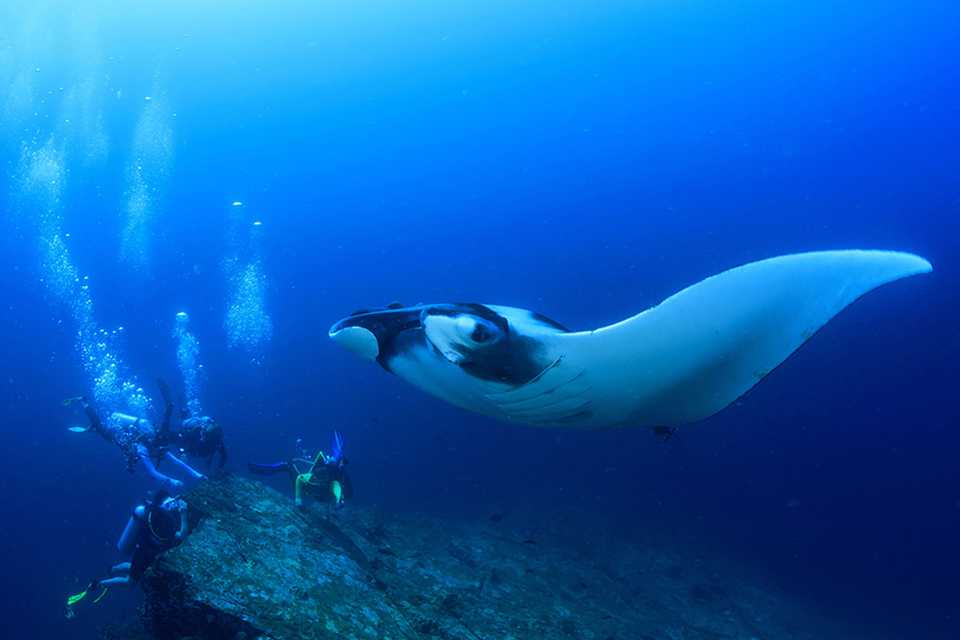
Oceanic mantas congregate on submerged formations near Mexico's Socorro Island
Mantas on Station
Mantas are magnificent subjects, but they can be difficult to photograph if they are just making a quick fly by of the reef. Fortunately, there are a number of places where the mantas hang around, often holding place at a cleaning station, or just circling to feed on upwelling currents. Some of the biggest oceanic mantas are found patrolling the underwater pinnacles of Mexico's Socorro Islands. Yap Island is famous for regular gatherings of reef mantas at cleaning stations. Other top areas include Indonesia's Komodo Island, the Atolls of the Maldives, and Fiji's Great Astrolabe Reef.
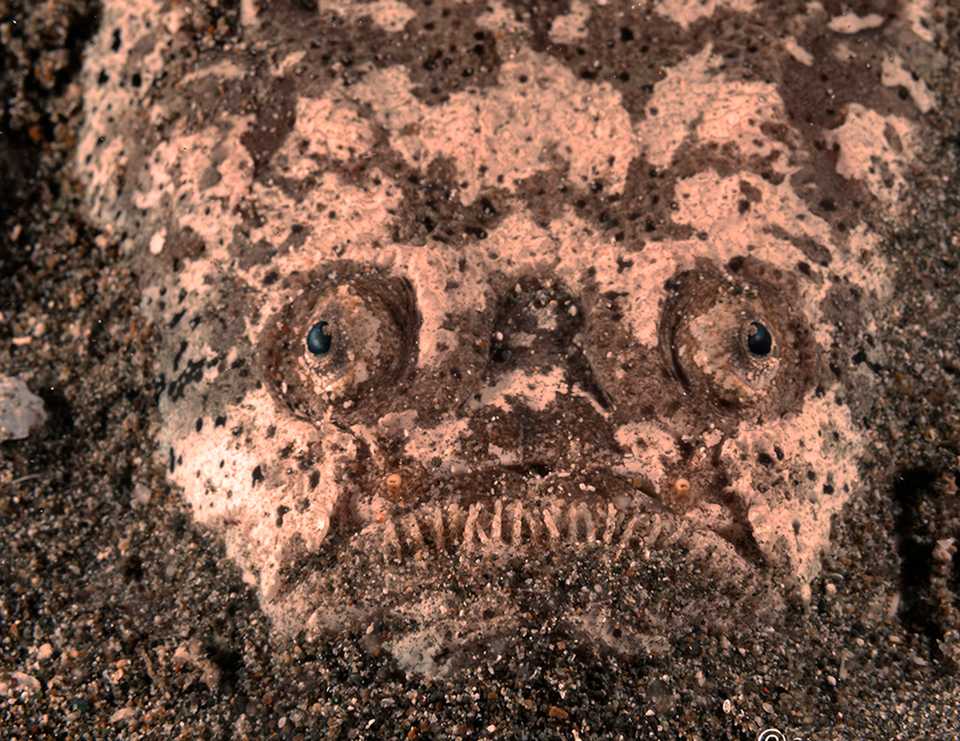
Look close and you may find all types of fascinating subjects hiding in the muck.
Mucking About
Photographers who are into muck diving don't care about the scenery. They are looking for the intriguing and sometimes rare creatures that patrol or hide ini silty and muddy sea bottoms. Muck diving was born in the volcanic sands of Papua New Guinea's Milne Bay, and it remains a favorite destination for capturing cryptic critters. Indonesia's Lembeh Strait is often cited as the world capital of muck diving, and the Philippines' Anilao region is another top contender.
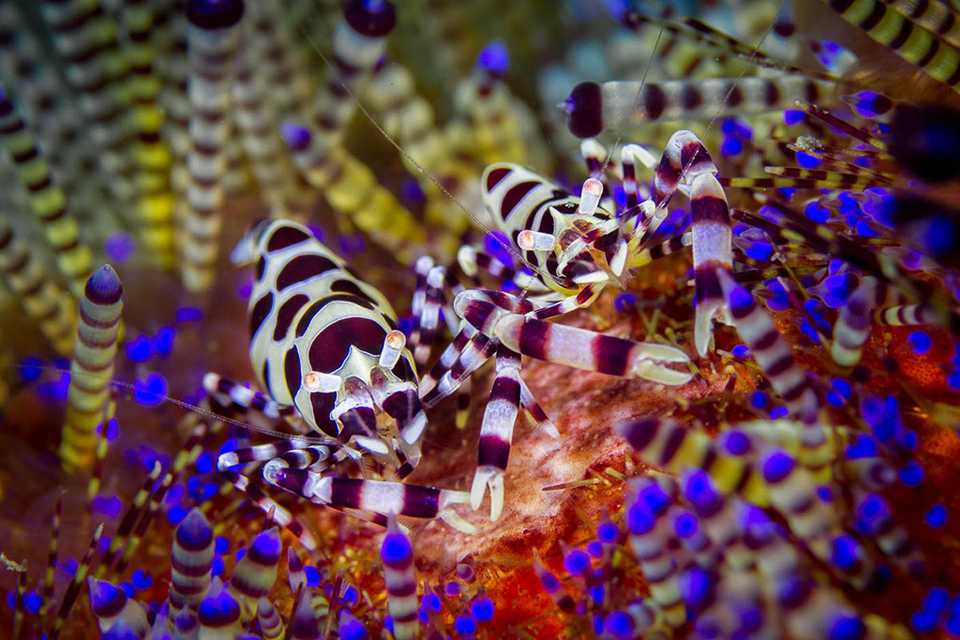
Anemones provide safe haven for numerous species of small shrimp.
Small Rewards
Small things are a big deal for macro photographers who seek out the most diminutive creatures on the reef – things like delicate porcelain crabs, ornate harlequin shrimp, fantastically-decorated nudibranchs and pygmy seahorses the size of a fingernail. Sitting at the epicenter of marine biodiversity, the Anilao and Dumaguete regions of the Philippines are favorite destinations for macro photography. Other areas of the Indian Ocean offer an equally rich assortment of small subjects, with noted hotspots including Indonesia's Wakatobi region and Malaysia's Mabul Island.
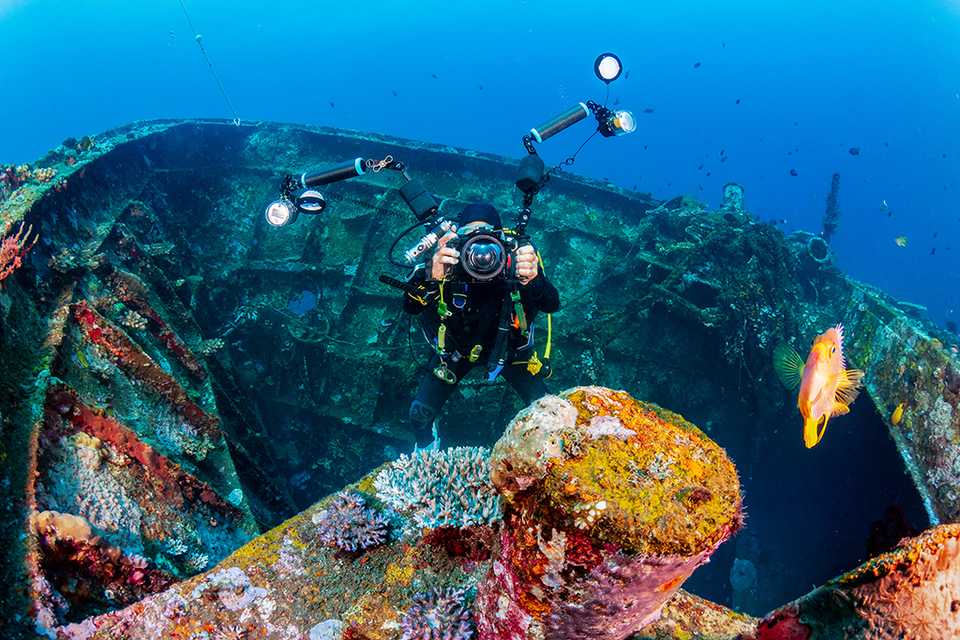
Clear waters allow for wide-angle images that capture the size and shapes of a shipwreck.
Submerged History
Shipwrecks – Dedicated wreck photographers see sunken vessels as a chance for storytelling. A prime example is the ghost fleet of Truk Lagoon, where dozens of vessels sent to the bottom in wartime hold artifacts of conflict and coral-encrusted decks that are being transformed into marine life habitats. Similar submerged histories can be found in the Red Sea's Strait of Tiran, the ships of Iron Bottom Sound in the Solomons, and near the shores of Grenada in the Caribbean.