An Island Nation in a Sea of Life
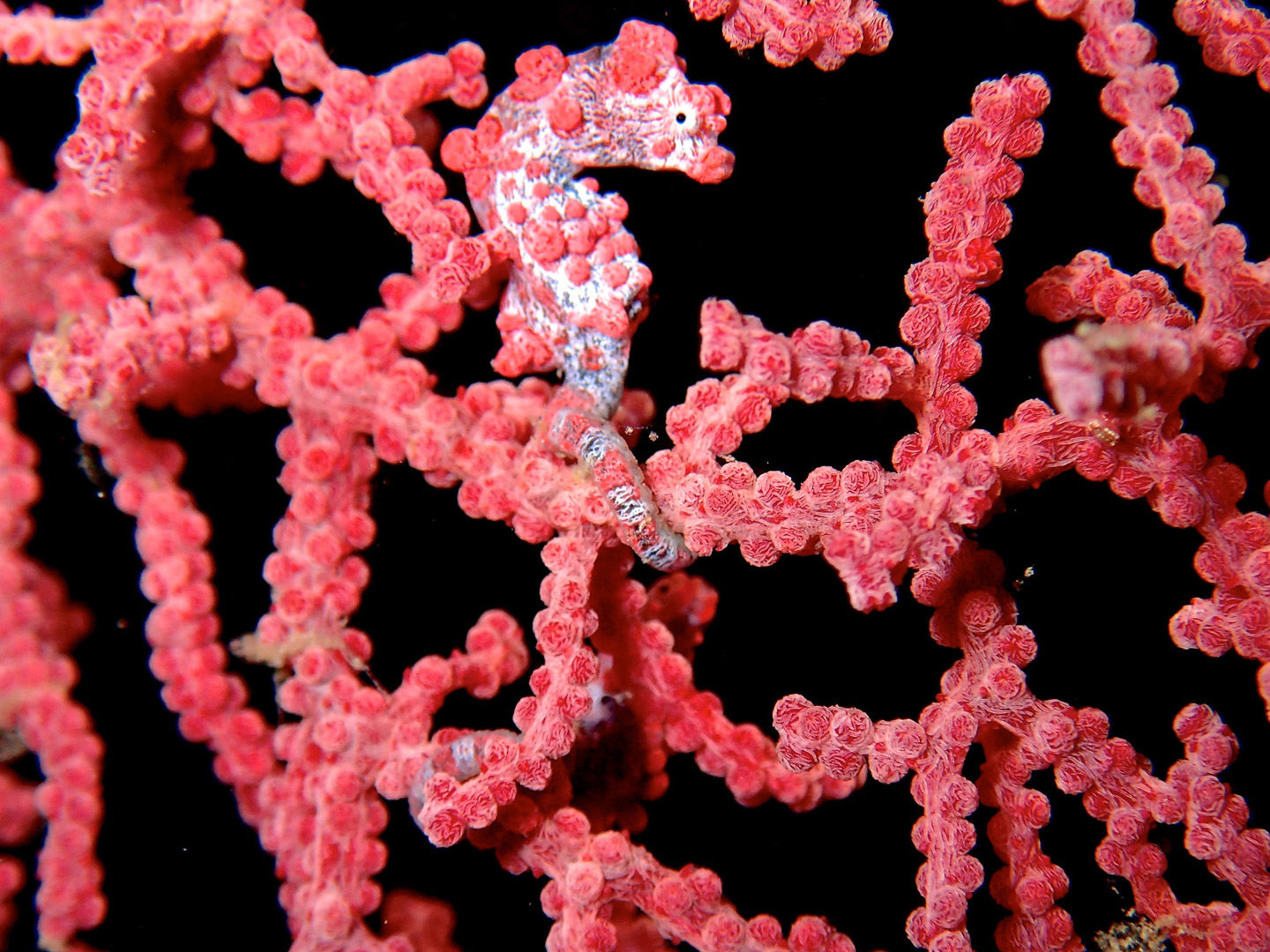
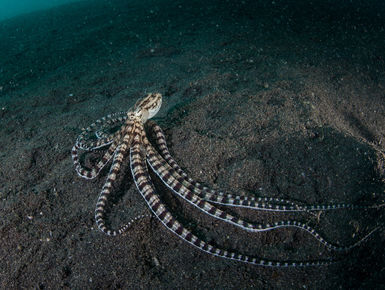
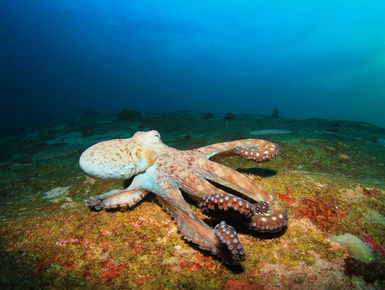
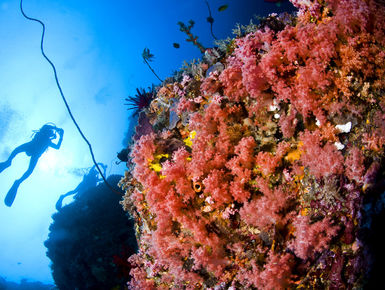
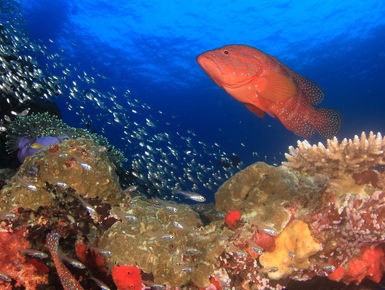
The waters of Indonesia are at the epicenter of marine biodiversity, and the numbers are impressive: a 2,500-mile swath of islands and coral reefs home to more than 2,000 species of fish, 500-plus varieties of hard and soft coral and thousands of enigmatic invertebrates. From the weird and wonderful critters in Lembeh Strait to the graceful mantas and coral spires of Komodo and the dramatic walls of Wakatobi, the diving in Indonesia is some of the best in the world. Few places on the planet are as varied, and as packed with interesting and unusual marine life such as wunderpus, mimic octopus, flamboyant cuttlefish, pygmy seahorses, harlequin shrimp and ornate ghost pipefish.



Highlights
- Best for: All divers, with some areas also offering world-class snorkeling for non-diving companions
- Best season to visit: Year round
- Weather: Indonesia has a tropical climate with two seasons, wet and dry. Most regions, the dry season spans from May - Sep, with rain from Oct - Apr. Indonesia straddles the Equator. Areas near the coast remain in the 80s during the day
Things to Do
- Cultural Activities
- Mind and Spirit
- Snorkeling
- Spa and Wellness
Indonesia Information
About Diving in Indonesia
With more than 17,500 islands spread across 3,200 miles of ocean, Indonesia is not a destination that can be summed up in a few sentences. Underwater landscapes vary from region to region, ranging from prolific coral reefs and steep-sided pinnacles to sediment-covered bays best suited to macro/muck diving. Within the expanse are areas nurturing the highest number of fish and coral species on the planet, as well as some of the sport's most celebrated diving destinations, including Raja Ampat, Wakatobi, the Lembeh Straits and Komodo. Water temperatures across most of the archipelago range from the high 70s to mid 80s, with areas to the south being a few degrees cooler.
Diving in Indonesia Tips
In locations like Lembeh, where muck diving is the big feature, good buoyancy skills are important, and you must keep your fins away from the bottom as this will quickly stir up the sediment dropping your visibility. A reef or muck stick will help you stabilize when moving in for a closer look. Currents in most of the region are generated by tidal changes and can range from mild to strong. They seldom last for more than few hours, and may reverse at some sites. Diving at slack tide is easier, but reef colors and fish activity are best when water is moving.
Best Places to Dive in Indonesia
Northern Sulawesi is Indonesia’s muck diving capital, with Lembeh the reigning king for weird and wonderful critters. Southern Sulawesi is about reefs, with Wakatobi offering some of the most pristine and dramatic coral walls and reefs in Indonesia. Komodo offers fish-covered pinnacles, mantas and Komodo dragons, while Raja Ampat and Cenderawasih Bay have the greatest number of coral and fish species on earth. At sites like Batu Bolong and GPS Point pinnacles are swarmed by schools of dogtooth tuna and barracuda. Roma at Wakatobi combines fish life with enigmatic turbinaria coral formations, while the nearby House Reef is one of the best places in the world to find crocodile fish, leaf scorpionfish, ghost and Halimeda pipefish. Mandarinfish performs intricate mating rituals in the shallow bays of Buton Island. Hiding in unremarkable mud bottoms at sites like Hairball are special finds such as frogfish, snake eels, devilfish and flamboyant cuttlefish. At the other end of the spectrum, Manta Ridge provides encounters with rays, and whale sharks gather at Cenderawasih Bay.
What to Pack for Diving in Indonesia
A skin suit to 3mm wetsuit is generally adequate, but divers who get chilly might want to pack an extra layer for sites around Komodo, or for muck dives where long bottom times and inactivity can bring down core temperatures. Indonesian remains a somewhat conservative culture, so women should choose skirts that go below the knees when on land tours or visiting villages.
Specials

Indonesia
Murex Resort Bangka
Packages are fully customizable with your choice of nights, and number of dives at each location. Contact Caradonna Adventures at 800.328.2288 or email us sales@caradonna.com.
From $4,030 per person double diver
Book Now
Indonesia
Murex Resort Manado
Packages are fully customizable with your choice of nights, and number of dives at each location. Contact Caradonna Adventures at 800.328.2288 or email us sales@caradonna.com.
From $4,030 per person double diver
Book Now
Indonesia
Solitude Lembeh Resort
Valid through 12/31/25.
Book on-line or Contact Caradonna Adventures at 800.328.2288 or email us sales@caradonna.com.
From $1,895 per person double diver
Book Now
Indonesia
Meridian Adventure Dive Hotel
Room Amenities - TV, safe, hair dryer, shampoo, conditioner, body wash, towels & bath robes. Fresh drinking water in your room & at various locations onsite.
Valid 4/1/25-12/31/25.
Book on-line or Contact Caradonna Adventures at 800.328.2288 or email us sales@caradonna.com.
From $3,112 per person double diver
Book Now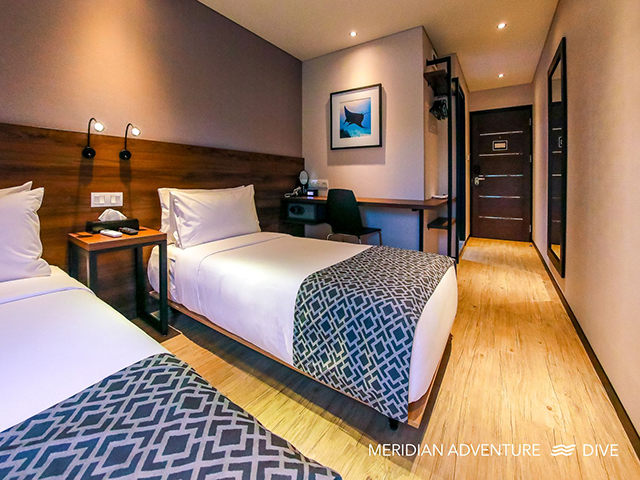
Indonesia
Meridian Adventure Dive Hotel
Room Amenities - TV, safe, hair dryer, shampoo, conditioner, body wash, towels & bath robes. Fresh drinking water in your room & at various locations onsite.
Valid 4/1/25-12/31/25.
Book on-line or Contact Caradonna Adventures at 800.328.2288 or email us sales@caradonna.com.
From $2,098 per person double diver
Book Now
Indonesia
Meridian Adventure Dive Hotel
Room Amenities - TV, safe, hair dryer, shampoo, conditioner, body wash, towels & bath robes. Fresh drinking water in your room & at various locations onsite.
Valid 4/1/25-12/31/25.
Book on-line or Contact Caradonna Adventures at 800.328.2288 or email us sales@caradonna.com.
From $2,273 per person double diver
Book NowPackages

Indonesia
Alam Batu Dive Resort
This incredible ALL IN Bali Package allows up to 2 hours spa treatment/massages and/or land excursions daily (after diving), roundtrip airport transfers, hotel tax and service charges.
Additional room categories and other dates also available! Book on-line or Contact Caradonna Adventures at 800.328.2288 or email us sales@caradonna.com.
Book Now

Indonesia
Alam Batu Dive Resort
This incredible ALL IN Bali Package allows up to 2 hours spa treatment/massages and/or land excursions daily (after diving), roundtrip airport transfers, hotel tax and service charges.
Additional room categories and other dates also available! Book on-line or Contact Caradonna Adventures at 800-330-6611 or email us sales@caradonna.com.
Book Now

Indonesia
Solitude Lembeh Resort
Additional room categories and other dates also available! Book on-line or Contact Caradonna Adventures at 800-330-6611 or email us sales@caradonna.com.
Book Now

Indonesia
Meridian Adventure Dive Hotel
Room Amenities - TV, safe, hair dryer, shampoo, conditioner, body wash, towels & bath robes. Fresh drinking water in your room & at various locations onsite.
Book on-line or Contact Caradonna Adventures at 800.328.2288 or email us sales@caradonna.com.
Book Now

Indonesia
Meridian Adventure Dive Hotel
Room Amenities - TV, safe, hair dryer, shampoo, conditioner, body wash, towels & bath robes. Fresh drinking water in your room & at various locations onsite.
Book on-line or Contact Caradonna Adventures at 800-330-6611 or email us sales@caradonna.com.
Book Now

Indonesia
Meridian Adventure Dive Hotel
Room Amenities - TV, safe, hair dryer, shampoo, conditioner, body wash, towels & bath robes. Fresh drinking water in your room & at various locations onsite.
Book on-line or Contact Caradonna Adventures at 800.328.2288 or email us sales@caradonna.com.
Book Now

Indonesia
Cove Eco Resort
All-inclusive breakfast, lunch, snacks, dinner, coffee, and tea (excluding soft drinks and alcohol) daily, snorkeling, airport transportation from Sarong to Yeben Island via ferry/boat service, laundry services, excursion to Piaynemo, Star Lagoon, Melissa's Garden, free WiFi (intermittent), tax and service charges.
Book on-line or Contact Caradonna Adventures at 800.328.2288 or email us sales@caradonna.com.
Book Now

Indonesia
Cove Eco Resort
All-inclusive breakfast, lunch, snacks, dinner, coffee, and tea (excluding soft drinks and alcohol) daily, snorkeling, airport transportation from Sarong to Yeben Island via ferry/boat service, laundry services, excursion to Piaynemo, Star Lagoon, Melissa's Garden, free WiFi (intermittent), tax and service charges.
Book on-line or Contact Caradonna Adventures at 800.328.2288 or email us sales@caradonna.com.
Book Now

Indonesia
Dive into Lembeh Resort
Additional room categories and other dates also available-Ask about our Group Pricing! Book on-line or Contact Caradonna Adventures at 800.328.2288 or email us sales@caradonna.com.
Book Now

Indonesia
Dive into Lembeh Resort
Additional room categories and other dates also available-Ask about our Group Pricing! Book on-line or Contact Caradonna Adventures at 800-330-6611 or email us sales@caradonna.com.
Book Now

Indonesia
Murex Resort Bangka
Ask about our Passport to Paradise Packages and Explore 3 Distinct Diving Destinations Bunaken> Bangka> Lembeh by calling Caradonna Adventures at 800.328.2288 for information or sales@caradonna.com.
Book Now

Indonesia
Murex Resort Bangka
Ask about our Passport to Paradise Packages and Explore 3 Distinct Diving Destinations Bunaken> Bangka> Lembeh by calling Caradonna Adventures at 800.328.2288 for information or sales@caradonna.com.
Book Now
Indonesia
Murex Resort Bangka
Ask about our Passport to Paradise Packages and Explore 3 Distinct Diving Destinations Bunaken> Bangka> Lembeh by calling Caradonna Adventures at 800-330-6611 for information or sales@caradonna.com.
Book Now

Indonesia
Murex Resort Manado
Ask about our Passport to Paradise Packages and Explore 3 Distinct Diving Destinations Bunaken> Bangka> Lembeh by calling Caradonna Adventures at 800.328.2288 for information or sales@caradonna.com.
Book Now

Indonesia
Murex Resort Manado
Ask about our Passport to Paradise Packages and Explore 3 Distinct Diving Destinations Bunaken> Bangka> Lembeh by calling Caradonna Adventures at 800.328.2288 for information or sales@caradonna.com.
Book Now

Indonesia
Murex Resort Manado
Ask about our Passport to Paradise Packages and Explore 3 Distinct Diving Destinations Bunaken> Bangka> Lembeh by calling Caradonna Adventures at 800-330-6611 for information or sales@caradonna.com.
Book Now
Resorts
Indonesia
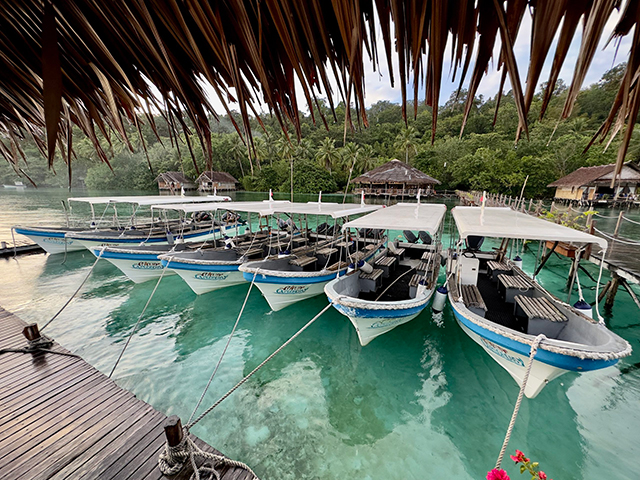
Papua Explorers Dive Resort
Book on-line or Contact Caradonna Adventures at 800-330-6611 or email us sales@caradonna.com.
See Packages & Learn More

Indonesia
Alam Batu Dive Resort
Book on-line or Contact Caradonna Adventures at 800-330-6611 or email us sales@caradonna.com.
See Packages & Learn More

Indonesia
Solitude Lembeh Resort
Book on-line or Contact Caradonna Adventures at 800-330-6611 or email us sales@caradonna.com.
See Packages & Learn More

Indonesia
Coral Eye Marine Outpost
Book on-line or Contact Caradonna Adventures at 800-330-6611 or email us sales@caradonna.com.
See Packages & Learn More

Indonesia
Meridian Adventure Dive Hotel
The entire operation is set up to focus on the three important components of dive holidays. High-tech, ultra-reliable equipment and transport to and from scuba dive sites. The perfect dive site every time in consideration to tidal streams and environmental conditions. Modern, simple, clean accommodation with an exceptional on-site food and beverage program.
Book on-line or Contact Caradonna Adventures at 800.328.2288 or email us sales@caradonna.com.
See Packages & Learn More

Indonesia
Cove Eco Resort
Each cottage includes private bathrooms, showers with hot/cold water, a mosquito net, a working desk, a deposit box, and a comfortable area under the porch to enjoy the beautiful panoramic view of the crystal-clear ocean. Towel and environmentally friendly natural soap are placed in all bathrooms. The housekeeping team always keeps cottages tidy and clean, and upon request, clothes can be laundered, and returned the following day. All cottages built by local craftsmen from neighboring villages using sustainable natural materials. 24h electricity is available to recharge all your electronic devices at night.
Book on-line or Contact Caradonna Adventures at 800.328.2288 or email us sales@caradonna.com.
See Packages & Learn More

Indonesia
Lembeh Resort
See Packages & Learn More

Indonesia
Wakatobi Dive Resort
Book on-line or Contact Caradonna Adventures at 800-330-6611 or email us sales@caradonna.com.
See Packages & Learn More

Indonesia
Dive into Lembeh Resort
Book on-line or Contact Caradonna Adventures at 800-330-6611 or email us sales@caradonna.com.
See Packages & Learn More

Indonesia
Murex Resort Bangka
Book on-line or Contact Caradonna Adventures at 800-330-6611 or email us sales@caradonna.com.
See Packages & Learn More

Indonesia
Murex Resort Manado
Book on-line or Contact Caradonna Adventures at 800-330-6611 or email us sales@caradonna.com.
See Packages & Learn More

Indonesia
Siladen Resort & Spa
Book on-line or Contact Caradonna Adventures at 800-330-6611 or email us sales@caradonna.com.
See Packages & Learn More
Liveaboards

Indonesia
MSY Seahorse Liveaboard
Contact Caradonna Adventures at 800.328.2288 for Pricing, Information and Availability.
Call 800-330-6611 for Special Pricing and Information.
See Packages & Learn More
Indonesia
Tiare Liveaboard
All indoor and outdoor living areas, decks, and cabins are made with antique teak salvaged from old Joglos, which not only gives the feel of "real Indonesia", but has helped to reduce the use of Indonesia's disappearing rainforests.
Call 800.328.2288 for Special Pricing and Information.
See Packages & Learn More
Indonesia
Scubaspa Zen Indonesia
Contact Caradonna Adventures at 800.328.2288 for Pricing, Information and Availability.
Call 800.328.2288 for Special Pricing and Information.
See Packages & Learn More
Indonesia
All Star Velocean Liveaboard
Contact Caradonna Adventures at 800.328.2288 for Pricing, Information and Availability.
Call 800-330-6611 for Special Pricing and Information.
See Packages & Learn More Indonesia
MSY Seahorse Liveaboard
Contact Caradonna Adventures at 800.328.2288 for Pricing, Information and Availability.
Call 800-330-6611 for Special Pricing and Information.
See Packages & Learn More
Indonesia
MV Ambai Liveaboard
Contact Caradonna Adventures at 800.328.2288 for Pricing, Information and Availability.
Call 800.328.2288 for Special Pricing and Information.
See Packages & Learn More
Indonesia
All Star Aurora Liveaboard
Contact Caradonna Adventures at 800.328.2288 for Pricing, Information and Availability.
Call 800-330-6611 for Special Pricing and Information.
See Packages & Learn More
Indonesia
Dewi Nusantara
Contact Caradonna Adventures at 800.328.2288 for Pricing, Information and Availability.
Call 800-330-6611 for Special Pricing and Information.
See Packages & Learn More
Indonesia
Blue Manta Explorer
Contact Caradonna Adventures at 800.328.2288 for Pricing, Information and Availability.
Call 800-330-6611 for Special Pricing and Information.
See Packages & Learn More
Indonesia
Emperor Harmoni
Contact Caradonna Adventures at 800.328.2288 for Pricing, Information and Availability.
Call 800-330-6611 for Special Pricing and Information.
See Packages & Learn More
Indonesia
MV Mermaid II Liveaboard
Contact Caradonna Adventures at 800.328.2288 for Pricing, Information and Availability.
Call 800-330-6611 for Special Pricing and Information.
See Packages & Learn More
Indonesia
Raja Ampat Aggressor II
Contact Caradonna Adventures at 800.328.2288 for Pricing, Information and Availability.
Call 800-330-6611 for Special Pricing and Information.
See Packages & Learn More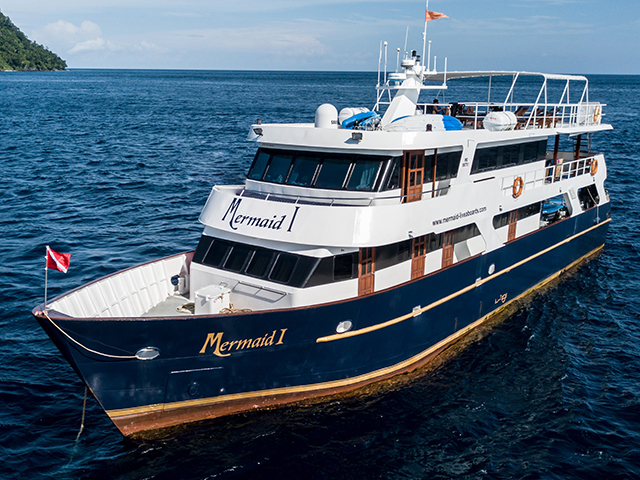
Indonesia
MV Mermaid I Liveaboard
Contact Caradonna Adventures at 800.328.2288 for Pricing, Information and Availability.
Call 800-330-6611 for Special Pricing and Information.
See Packages & Learn More
Indonesia
Pelagian Dive Yacht
Amenities include camera facilities, comfortable lounge areas, and spacious cabins. Exceptional service is provided by an experienced and highly skilled crew. (excluding airfare from Denpasar).
Contact Caradonna Adventures at 800.328.2288 for Pricing, Information and Availability.
Call 800-330-6611 for Special Pricing and Information.
See Packages & Learn More
Indonesia
White Manta Explorer
Contact Caradonna Adventures at 800.328.2288 for Pricing, Information and Availability.
Call 800-330-6611 for Special Pricing and Information.
See Packages & Learn More
Indonesia
Solitude Adventurer
Contact Caradonna Adventures at 800.328.2288 for Pricing, Information and Availability.
Call 800-330-6611 for Special Pricing and Information.
See Packages & Learn More
Indonesia
Samambaia Liveaboard
Contact Caradonna Adventures at 800.328.2288 for Pricing, Information and Availability.
Call 800-330-6611 for Special Pricing and Information.
See Packages & Learn More
Indonesia
Arenui Liveaboard
Contact Caradonna Adventures at 800.328.2288 for Pricing, Information and Availability.
Call 800-330-6611 for Special Pricing and Information.
See Packages & Learn More
Indonesia
Dive Damai I
Contact Caradonna Adventures at 800.328.2288 for Pricing, Information and Availability.
Call 800-330-6611 for Special Pricing and Information.
See Packages & Learn MoreDiving in Indonesia
Straddling the Equator and stretching more than 3,200 miles from east to west, Indonesia is a country of more than 17,500 islands. From this vast array of coastlines, a select number of areas have emerged as favorites among divers. This area, east of Malaysia and west of Papua New Guinea, is at the epicenter of our planet's marine biodiversity. From the weird and wonderful critters in Lembeh Strait to the graceful mantas and incredible coral gardens of Komodo, the diving in Indonesia is some of the best in the world. Few places on the planet are as varied and give you the opportunity to see more diverse underwater flora and fauna including more than 2,000 species of fish, from car-sized whale sharks to pygmy seahorses smaller than a grain of rice. There are reef slopes, drop offs, plateaus, caves, wrecks and muck diving sites. Northern Sulawesi is Indonesia’s muck diving capital, with Lembeh the reigning king for weird and wonderful critters. If you are looking for subjects like the endemic Banggai cardinalfish to the amazing mimic octopus and wunderpus this is the place to find them. And the cast of critters does not end there, Lembeh also features lacy scorpionfish, flamboyant cuttlefish, harlequin shrimp, as well as some of the wildest species of nudibranchs known to man. In Southern Sulawesi, the focus shifts to reefs, with the Wakatobi region offering some of the finest coral formations in the Indonesia. Here, vertical escarpments that begin their drop mere feet from the surface straight down hundreds of feet into the depths. To the east, off the tip of West Papua, the tip of the islands of Raja Ampat offer stunning topside profiles and near-pristine reefs that harbor the world's greatest number of fish species in one location. Divers often tally more than 200 species on a single dive. Some liveaboard itineraries also venture into Triton Bay, which is known for extensive soft coral coverage, vast forests of black coral, big schools of fish, epaulette sharks, pilot whales and more. Recently, divers have also discovered Cenderawasih Bay, where whale sharks congregate. Indonesia's other prime liveaboard destination is the Komodo region, where divers can choose between calm reefs and coral-covered pinnacles that attract large schools of fish, with a good chance of mantas and sharks, plus land visits to see Komodo dragons. Other liveaboard itineraries may take in remote sites in the Banda Islands, known for dense fish populations and pelagic sightings, and Alor for macro life and benthic diversity. Because most Indonesian dive trips begin and end at Bali, many travelers add a few days to their itinerary to explore the reefs and walls around the island. A favorite dive is the USS Liberty Wreck, which has the distinction of being the only ship in the world sunk by a lava flow.
Passport and/or Visa Requirements
U.S. citizens require a valid passport to enter Indonesia. The passport must be valid for 6 months beyond the date of entry into the country. Two blank pages are required for the endorsement page stamp upon entry, which is a full-page stamp. This stamp acts as your visa which is valid for a 30-day stay for tourists. There is no charge for the stamp. There is a departure tax which is paid at the airport upon departure.
Immunizations
There are no immunizations required by the Indonesian government. Please, check with your doctor or visit the website of the Center for Disease Control at www.cdc.gov for a listing of immunizations recommended for travel to Indonesia.
Culture and Customs
Indonesia is a nation of islands, and of blended cultures. Centuries of maritime trade have spread influences of Indian and the Far East, but individual island groups have also developed their own traditions and languages. The region is home to more that 300 distinct native ethnic groups, and 742 different languages and dialects. One trait that is common to all of these disparate communities is a tradition of hospitality and acceptance for travelers. The attentive service lavished on guests of resorts and liveaboards is not an affectation, but an integral element of a national psyche that take pride in playing the welcoming host. Equally apparent is a sense of tolerance, which allows the traditions of Hinduism, Buddhism, Confucianism, Islam and Christianity to co-exist. Indonesia is also a land of contrasts. Jakarta's steel and glass towers soar to heights of more than 1,000 feet in one of the most modern commercial centers in the region. A thousand miles away, islanders living in traditional villages still observe local traditions of ancestor worship and animism such as Kebatinan. And then there is the food. Indonesian cuisines are among the most vibrant and flavorful in the world, mixing intense spices and subtle overtones that draw from the culinary traditions of India, Holland, the Middle East, China, southeast Asia, Polynesia and Melanesia. Equally savory is the lively street food scene, where the rich aromas of bakso or gila fill the air.
Electricity, Phone and Internet Access
Electrical current is 230 volts, 50 Hz. The standard outlet is a two pin round socket. If your appliance is not labeled 100-240 Volt, 50-60 Hz input, you may need a step down transformer as well.
Check with your cell phone provider for international plans which may include text, data and voice. WiFi is available at most hotels, restaurants and cafes. The internet speed is slower, so in some cases, streaming and large file transfers might not be an option.
Water Quality
Tap water in Indonesia is largely not safe for drinking. Sealed bottled water is advisable and available for purchase.
Language & Currency
The official language is Indonesian Bahasa. English is widely understood and tourist resorts. There are over 300 languages spoken in Indonesia, with most Indonesians being bilingual in their local dialect as well as Bahasa Indonesia. Many Indonesians are multi lingual, also speaking English, Chinese and Japanese.
The currency is the Indonesian Rupiah (IDR) or recognized locally as Rp. Money may be exchanged at money changer offices which usually offer the best rate, with banks offering the next best rate and exchanging at hotels is often not the best rate. Money changers prefer newer undamaged bills and may refuse damaged currency. ATMs are available and credit cards are accepted at most resorts. Traveler's checks are not recommended.
Time
Indonesia spans three time zones. Western Indonesia Time called Waktu Indonesia Time (WIB) including Java, Jakarta and Sumatra are 7 hours ahead of Greenwich Mean Time (+7 GMT). Central Indonesian Time or Waktu Indonesia Tengah (WITA) including Bali, Sulawesi and Lombok are 8 hours ahead of Greenwich Mean Time (+8 GMT). Eastern Indonesian Time or Waktu Indonesia Timur (WIT) including Irian Jaya is 9 hours ahead of Greenwich Mean Time (+ GMT). Indonesia does not observe daylight savings time.
Location, Size and Population
The Republic of Indonesia is a nation of islands in southeast Asia that lies between the Indian and Pacific Ocean. The name Indonesia is derived from the Greek words “indus” (India) and “nesos” (islands) and is the world's largest archipelagic nation with over 18,000 islands. It is bordered by the nations of Papua New Guinea, East Timor, and Malaysia and encompasses over 735,000 sq miles.
Approx. 260 Million people (2016).